Crafting Compelling Narratives from Community Experiences
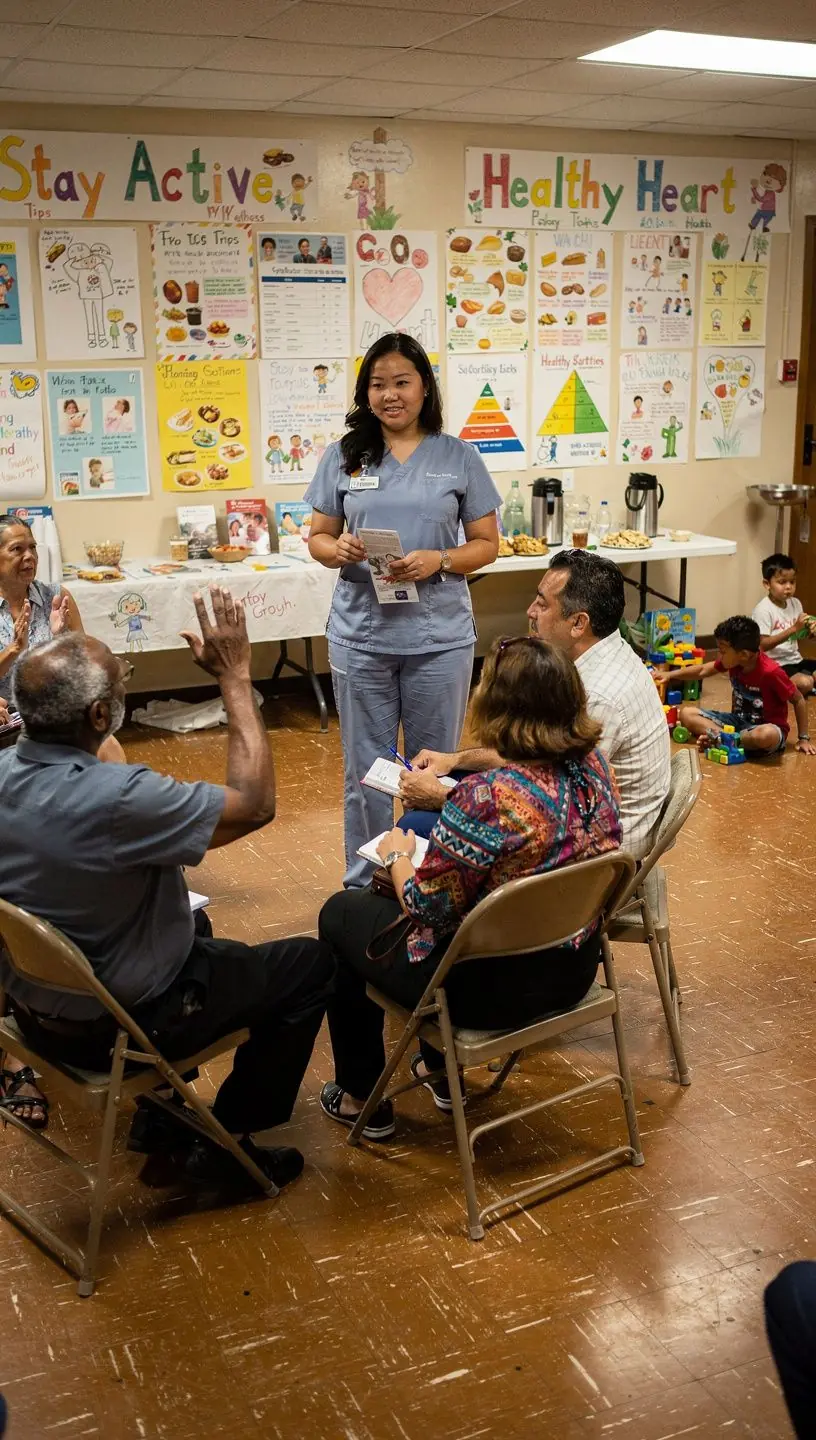
Storytelling is a powerful tool that fosters connection and understanding within communities. By sharing experiences, challenges, and solutions, individuals can create narratives that resonate and inspire action. This article explores the process of crafting compelling narratives from local experiences.
Understanding the Importance of Community Narratives
Community narratives serve as a mirror reflecting the shared experiences of individuals. According to research, storytelling enhances social bonding and empathy, making it an effective means of communication in local settings. These narratives often reflect the diverse challenges faced by community members, and they can reveal insights into collective strengths and resilience.

"Effective storytelling can transform individual experiences into a shared narrative that fosters community engagement and understanding." - Community Engagement Expert
Elements of a Compelling Narrative
- Authenticity: Stories should represent real experiences. Authentic narratives foster trust and connection among community members. Research indicates that authenticity can significantly enhance engagement levels.
- Structure: A well-structured narrative typically includes a beginning that sets the context, a middle that presents the challenge, and an end that offers a resolution or reflection. This structure helps listeners or readers follow the story easily.
- Emotion: Engaging narratives often evoke emotional responses. Studies show that storytelling with emotional depth can lead to increased retention of information, making it more likely for the message to resonate.
Steps to Crafting Your Narrative
Crafting a compelling narrative requires careful consideration and effort. Here’s a structured approach to guide you:
- Identify Your Core Message: Begin by determining the key lesson or experience you want to convey. This can guide the direction of your narrative.
- Gather Your Experiences: Reflect on personal or community experiences that relate to your message. Collect stories that illustrate the challenge, solution, or insight.
- Engage Your Audience: Use relatable language and visuals to connect with your audience. This may involve incorporating local references or familiar scenarios that enhance relatability.
- Revise for Clarity: Review your narrative for clarity and coherence. Feedback from community members can be valuable in refining the story.
Acknowledging Limitations
While crafting narratives can be rewarding, it often requires time and dedication. Developing a strong story typically involves several rounds of revisions and feedback sessions. It’s important to approach this process with patience, as the final product may evolve significantly from the initial draft.
Conclusion
Crafting compelling narratives from community experiences is a valuable practice that can foster connection and inspire action. By focusing on authenticity, emotional engagement, and structured storytelling, individuals can effectively communicate their messages. Remember, the process takes time, but the impact of a well-told story can resonate throughout the community for years to come.