Exploring the Intersection of Art and Community Narratives
Art has long been a vehicle for storytelling, reflecting the values, struggles, and aspirations of communities. This article delves into how art forms serve as powerful tools for expressing local narratives, addressing community challenges, and fostering a sense of belonging.
The Role of Art in Community Storytelling
Art serves multiple functions within a community, acting as a mirror that reflects its social dynamics and cultural heritage. According to studies in cultural sociology, artistic expression is often linked to community identity and cohesion. For instance, murals and public art installations can encapsulate shared histories and significant events, making them accessible to all members of the community.
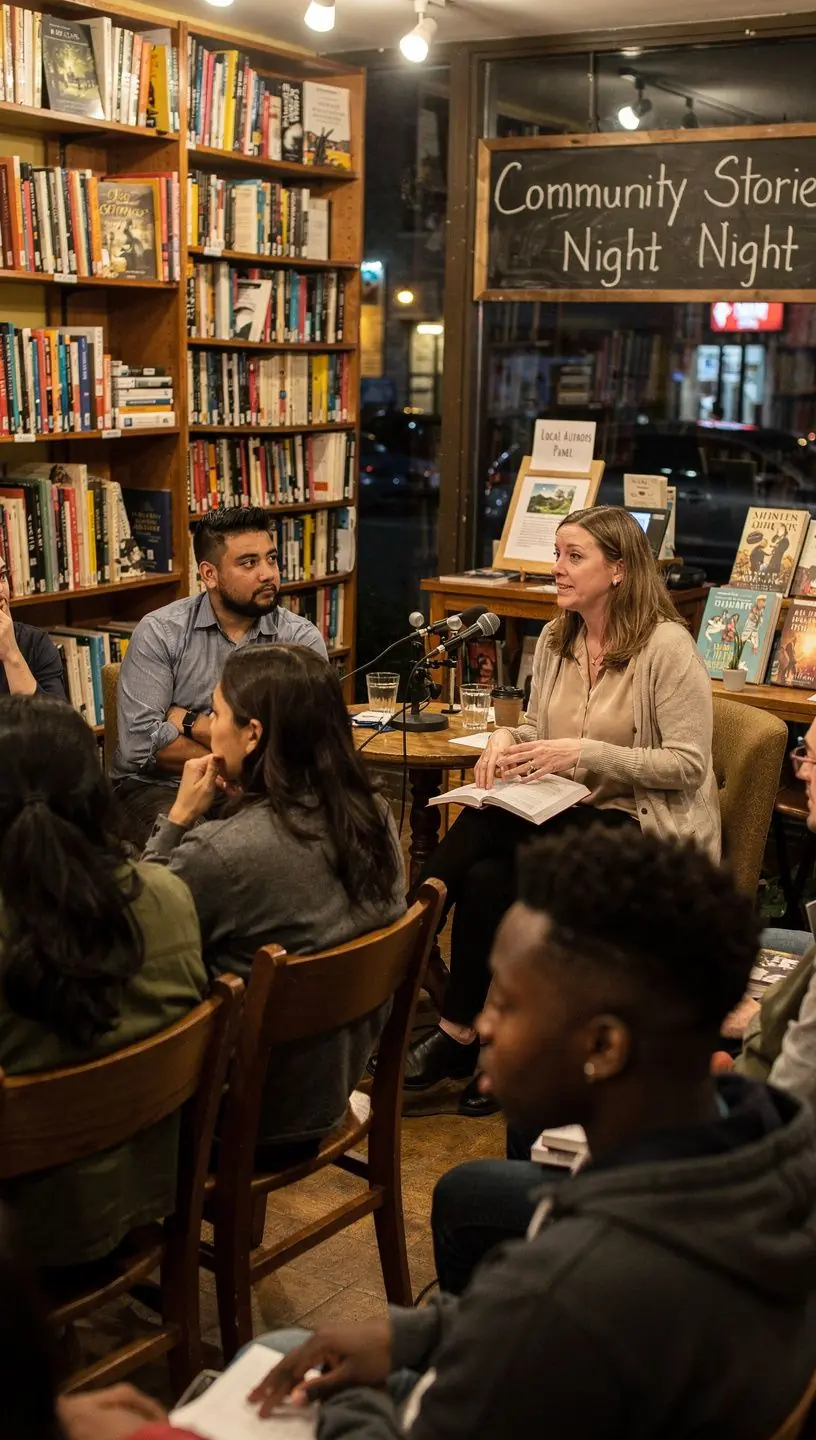
"Art is not just a reflection of society; it actively shapes the narratives we live by." - Community Art Expert
Challenges Addressed Through Art
Communities often face various challenges, including economic disparity, social injustice, and cultural dislocation. Art can address these issues in profound ways:
- Healing and Reconciliation: Artistic projects can provide a space for dialogue and healing, especially in communities recovering from trauma.
- Social Advocacy: Artists frequently use their platforms to raise awareness about social issues, mobilizing community members around common causes.
- Cultural Preservation: Through storytelling, art can help preserve local traditions and languages that may be at risk of fading.
Creating Community Connections
The process of creating art within a community often involves collaboration, allowing diverse voices to contribute to the narrative. Research indicates that participatory art projects can enhance community engagement and foster a sense of ownership over public spaces. This collaborative approach not only enriches the artistic output but also strengthens community bonds.
Implementing Art Initiatives
For communities interested in leveraging art as a storytelling medium, consider the following steps:
- Identify Local Stories: Gather input from community members about the narratives they want to share.
- Collaborate with Artists: Engage local artists who are familiar with the community's cultural context to facilitate the creative process.
- Choose Accessible Platforms: Select public spaces for art displays, ensuring that they are visible and inviting to all community members.
Conclusion
The intersection of art and community narratives is rich with potential for fostering connection, addressing challenges, and celebrating diversity. While the process may require time and collaborative effort, the outcomes can significantly enhance community identity and resilience. Art not only tells stories; it invites communities to participate in the ongoing narrative of their lives, creating a tapestry of shared experiences and aspirations.