How to Facilitate Story Circles in Your Area
Story circles are a powerful method for community engagement, encouraging individuals to share their experiences in a supportive environment. This article will explore practical steps to facilitate story circles in your area, highlighting the benefits and challenges involved.
Understanding the Concept of Story Circles
Story circles are gatherings where participants share personal stories, typically guided by a facilitator. This practice has roots in various cultures and is recognized for its ability to foster connection and understanding within communities. According to community development experts, story circles can create a sense of belonging and improve interpersonal relationships.
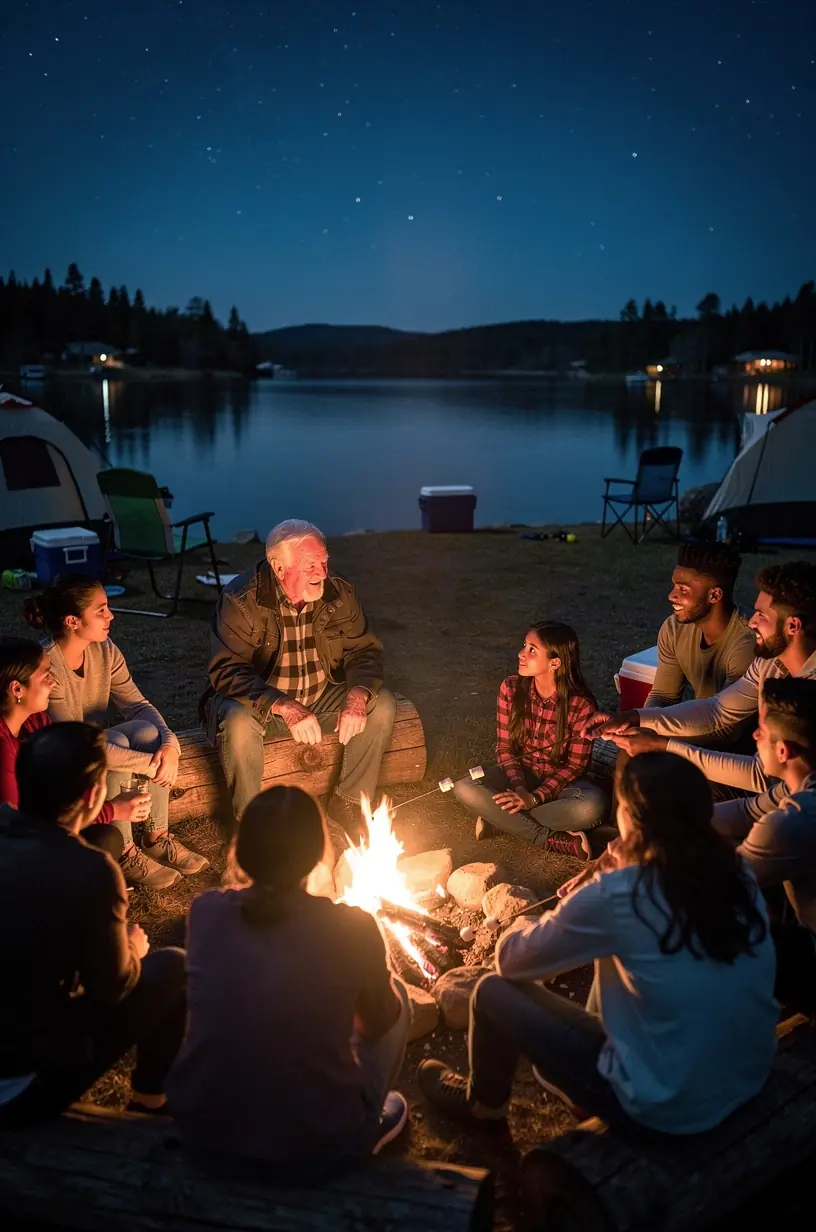
"Storytelling is a fundamental way to connect with others, share experiences, and build community." - Community Development Researcher
Benefits of Story Circles
- Fostering Empathy: Sharing personal narratives allows participants to see the world from different perspectives, which can enhance empathy among community members.
- Building Trust: Regular participation in story circles can lead to stronger relationships, as individuals learn to trust one another by sharing vulnerable experiences.
- Addressing Local Issues: Through storytelling, participants can voice community challenges, which can lead to collective brainstorming of solutions.
Steps to Facilitate Effective Story Circles
Facilitating story circles involves careful planning and an understanding of group dynamics. Here are some steps to consider:
1. Create a Safe Environment
Establish ground rules to ensure that all participants feel safe and respected. Emphasizing confidentiality and active listening is crucial. Research indicates that when participants feel secure, they are more likely to share openly.
2. Choose a Suitable Location
Find a comfortable, quiet space that can accommodate the group size. This could be a community center, library, or even a local park. Accessibility is important, as studies show that inclusivity can lead to better participation rates.
3. Set a Clear Agenda
Begin with a brief introduction about the purpose of the story circle and how it will operate. Outlining the agenda helps participants know what to expect, which can reduce anxiety and increase engagement.
4. Facilitate the Sharing Process
As the facilitator, your role is to guide the discussion while allowing participants the space to share their stories. Encourage everyone to speak, but respect those who may prefer to listen. Industry best practices recommend using open-ended questions to prompt sharing.
5. Conclude with Reflection
Wrap up the session by inviting participants to reflect on their experiences. This final sharing can help solidify the connections made during the circle and leave participants with a sense of closure.
Acknowledging Challenges
Facilitating story circles can present challenges, including managing diverse perspectives and ensuring that every voice is heard. This typically requires experience in group dynamics and may involve a learning curve. It's also essential to be prepared for emotional stories, as some participants may share difficult experiences. Acknowledging these potential hurdles can help set realistic expectations for facilitators.
Conclusion
Story circles can be a transformative experience for communities, providing a platform for sharing and understanding. By following the steps outlined above, individuals can effectively facilitate these gatherings, fostering deeper connections and addressing local challenges. With careful planning and an empathetic approach, story circles may lead to meaningful community engagement and growth.