The Art of Capturing Everyday Community Life
In a world increasingly consumed by digital distractions, capturing the essence of everyday community life is more important than ever. This article explores how individuals can effectively document their local experiences, challenges, and solutions, fostering a deeper connection within their communities.
Understanding the Importance of Community Documentation
Documenting community life serves several purposes. It helps preserve local stories, promotes awareness of community challenges, and encourages collective action toward finding solutions. According to a study by the American Planning Association, communities that actively engage in storytelling often see enhanced social cohesion and resilience.
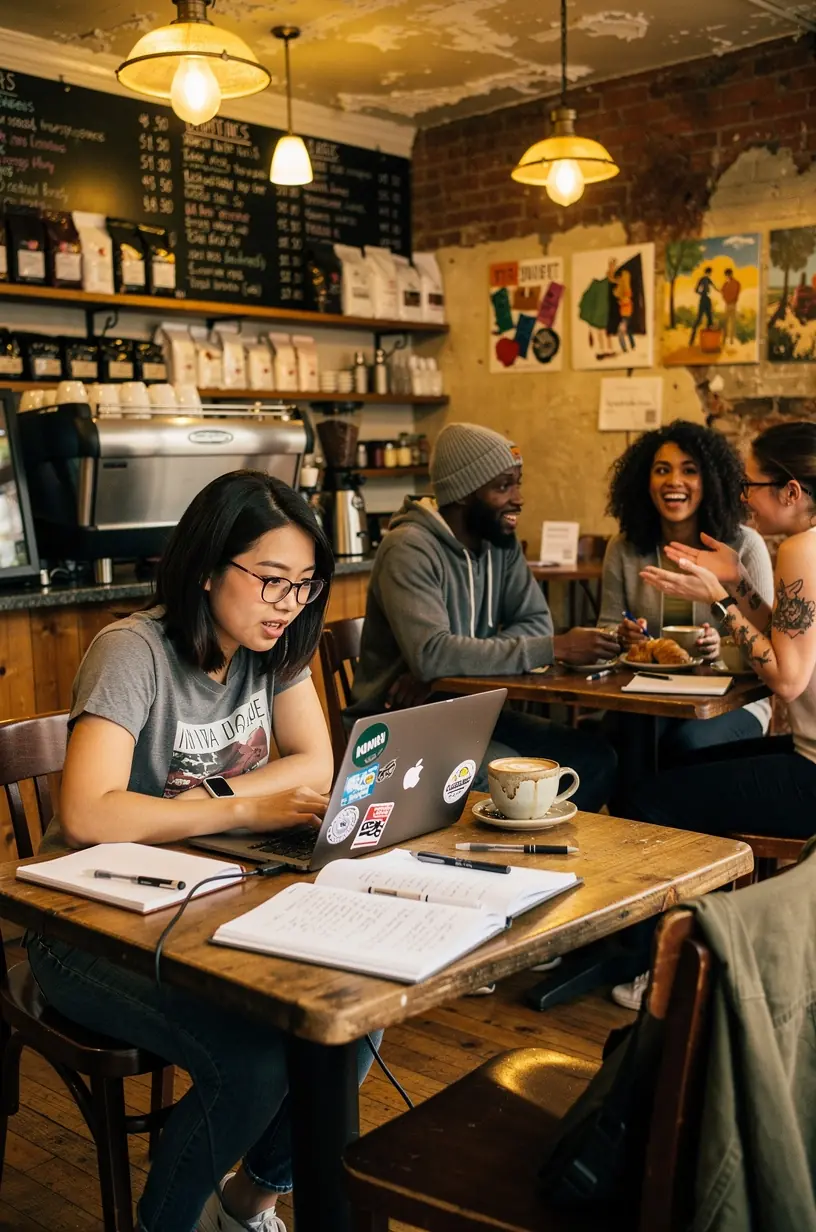
"Storytelling is a powerful tool for community engagement and development." - Community Development Expert
Effective Methods for Capturing Community Stories
Capturing the essence of community life can be approached in various ways:
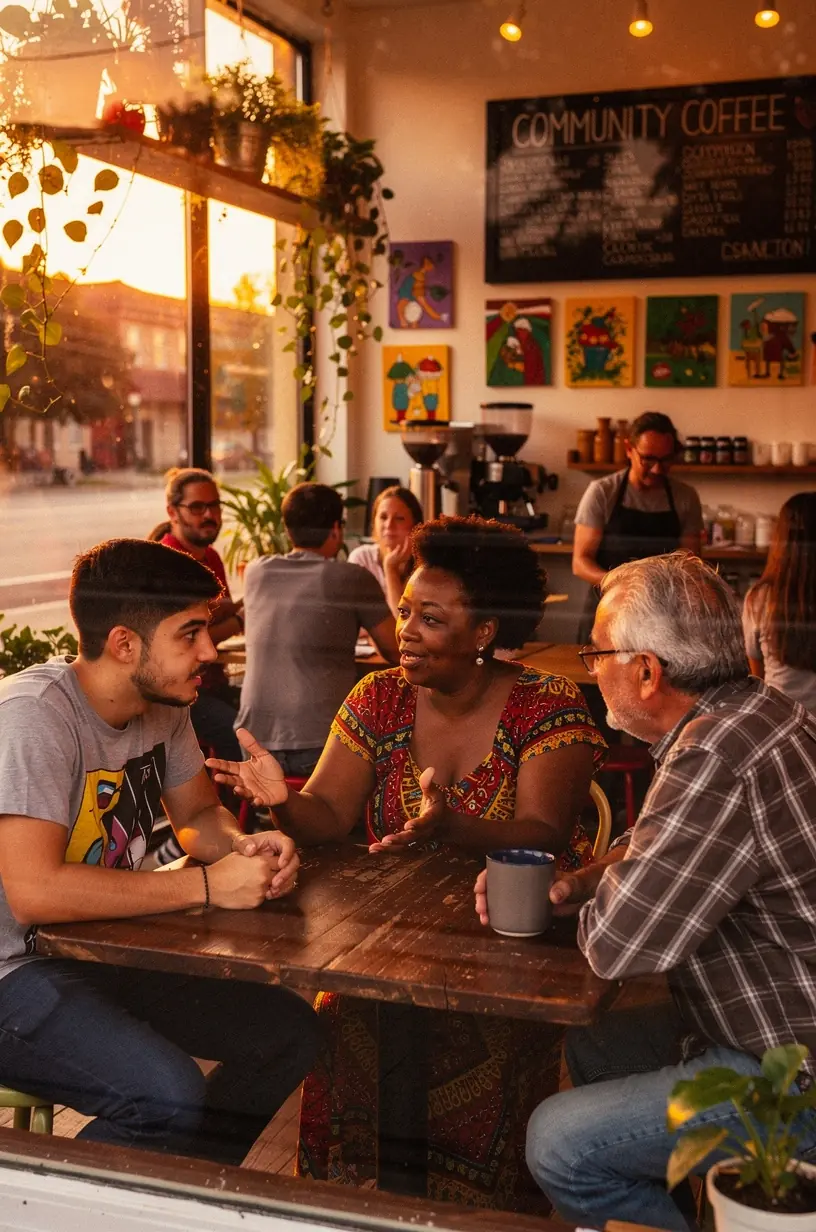
- Photography: Visual storytelling can convey emotions and realities that words sometimes miss. Research shows that images can evoke empathy and a sense of belonging, making them an effective medium for sharing community experiences.
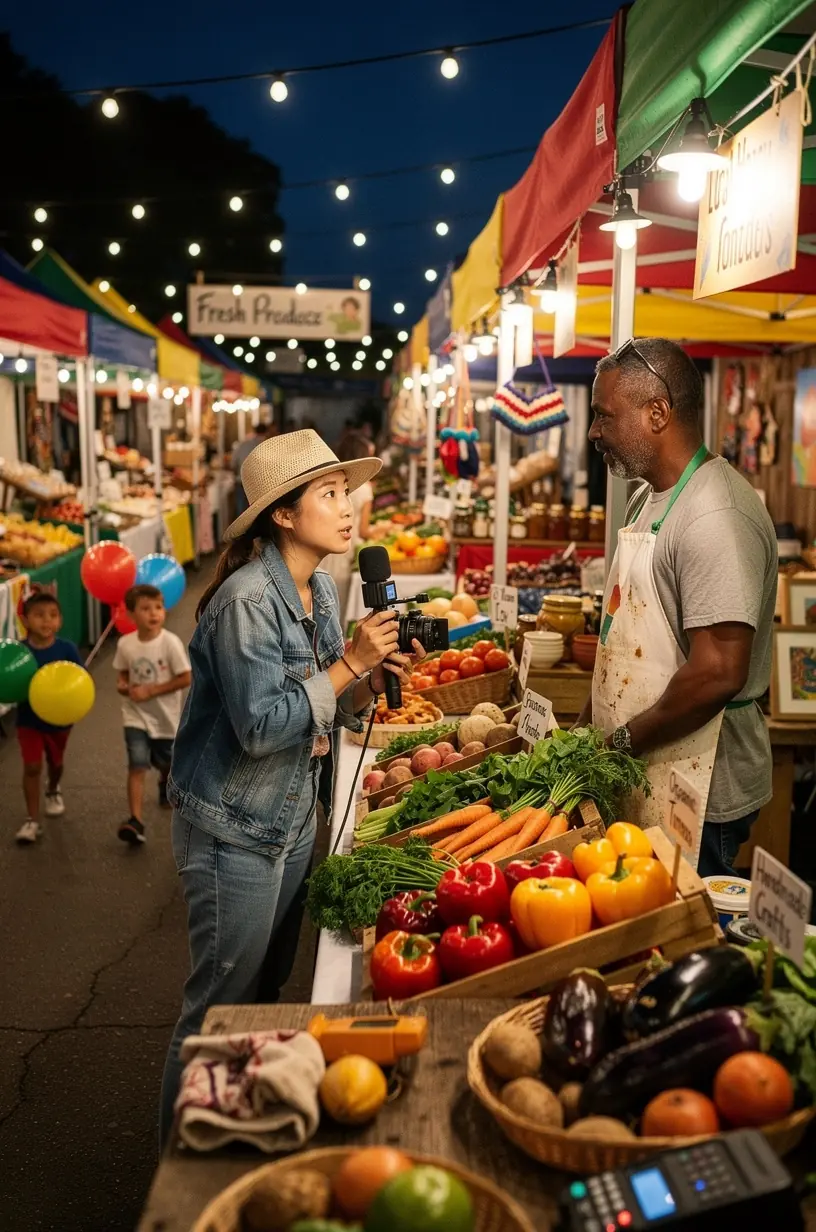
- Interviews: Engaging local residents in conversation allows for deeper insights into their lives. Experts recommend using open-ended questions to facilitate dialogue, ensuring that the stories captured reflect the community's diverse perspectives.
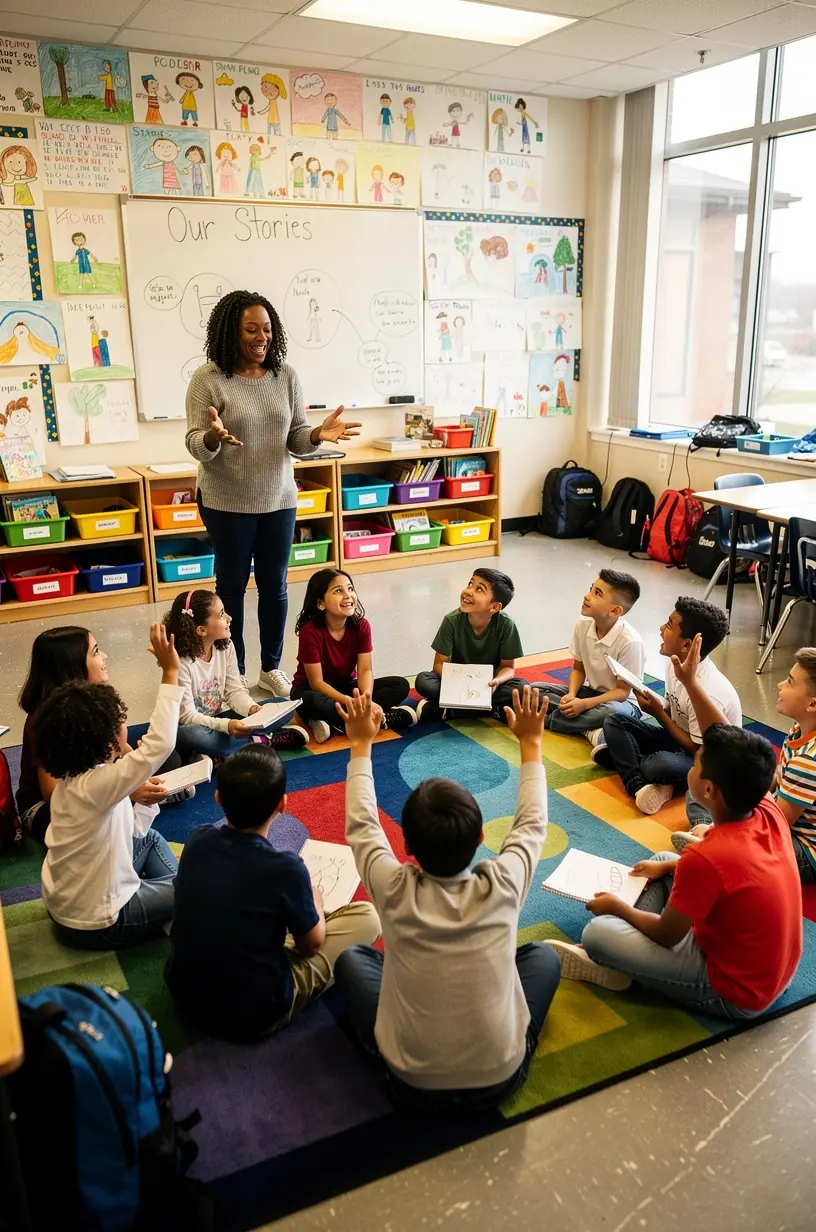
- Written Narratives: Writing personal essays or blog posts about community experiences not only documents events but also inspires others. Many authors suggest starting with a specific event or challenge and expanding from there, allowing the narrative to unfold naturally.
Challenges and Considerations
While documenting community life can be rewarding, it is crucial to acknowledge certain challenges:
- Time Commitment: Engaging with community members and gathering stories typically requires a significant time investment. Setting aside dedicated time each week can help maintain momentum.
- Respect for Privacy: It is essential to approach community members with sensitivity and respect. Always seek permission before sharing personal stories, as this helps build trust and ensures ethical documentation practices.
- Maintaining Objectivity: When documenting stories, it is important to strive for an unbiased representation. This may involve acknowledging one’s own perspectives and how they influence the narrative.
Conclusion
Capturing everyday community life is an art that not only preserves local stories but also fosters a deeper sense of belonging among residents. By utilizing effective methods such as photography, interviews, and written narratives, individuals can document their experiences and contribute to the collective narrative of their community. As you embark on this journey, remember that the effort invested in storytelling can lead to enhanced community engagement and resilience.