Creating Safe Spaces for Vulnerable Voices
Building environments where vulnerable voices can be heard is essential for fostering community resilience and inclusivity. This article explores the significance of safe spaces, the challenges faced by marginalized groups, and practical approaches to addressing these issues.
Understanding Safe Spaces
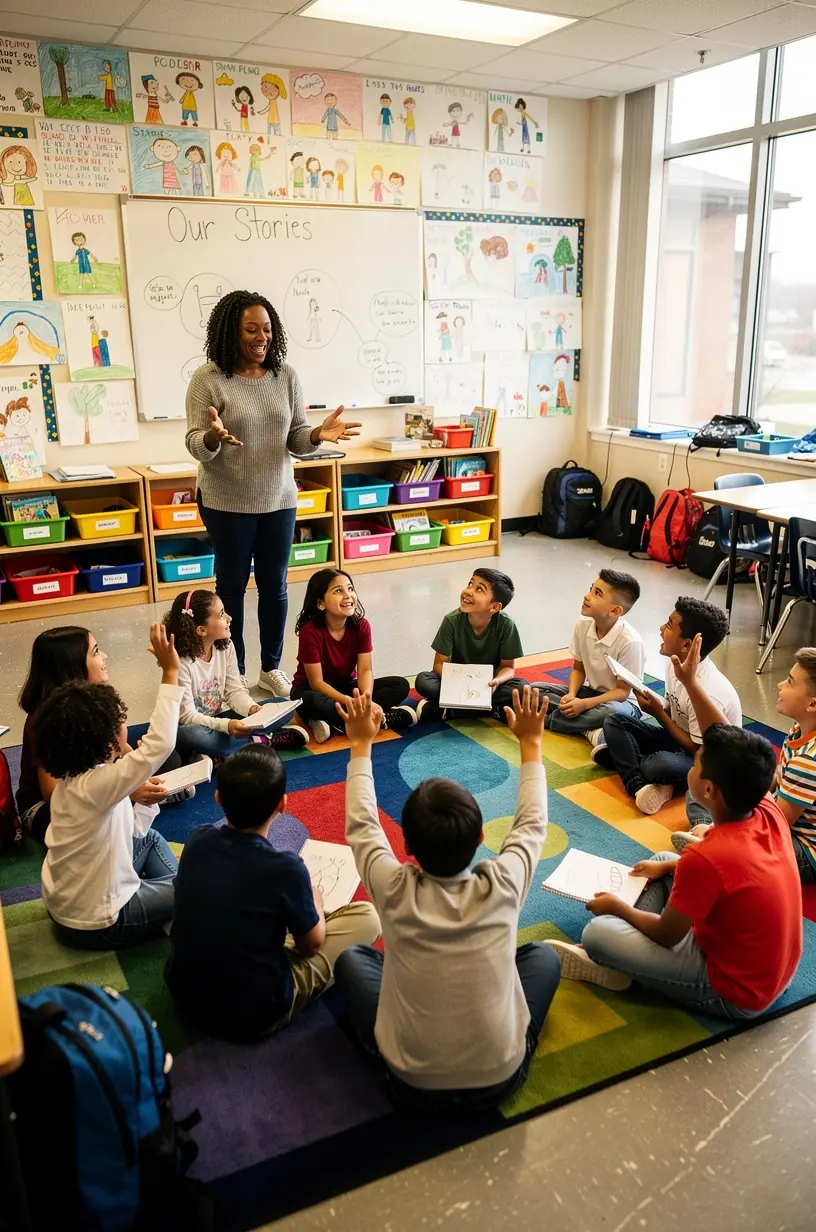
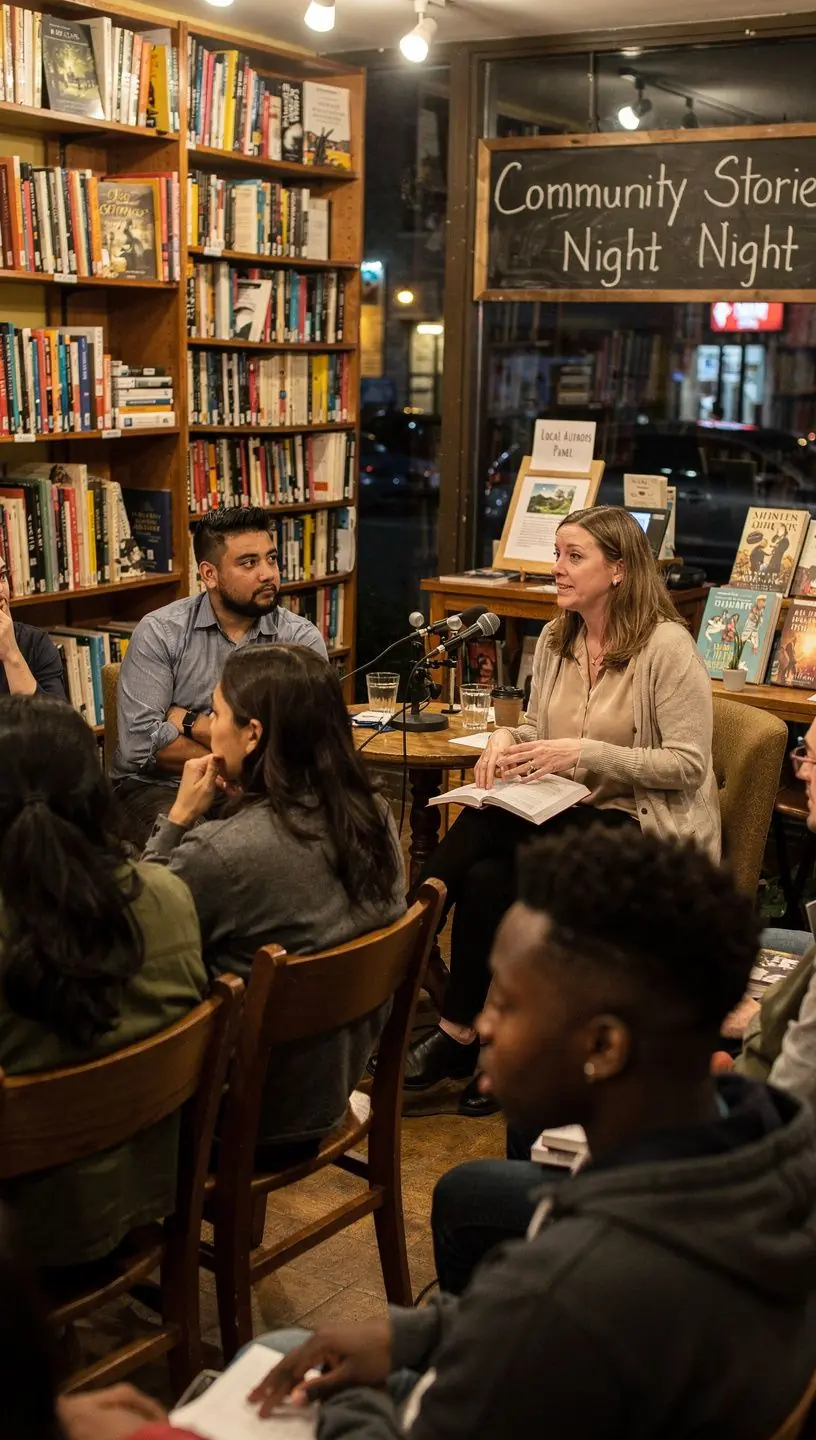
Safe spaces are environments that promote respect and inclusivity, allowing individuals to express their thoughts and feelings without fear of judgment or discrimination. According to experts in social justice, these spaces are crucial for marginalized communities, as they provide a platform for dialogue and healing.
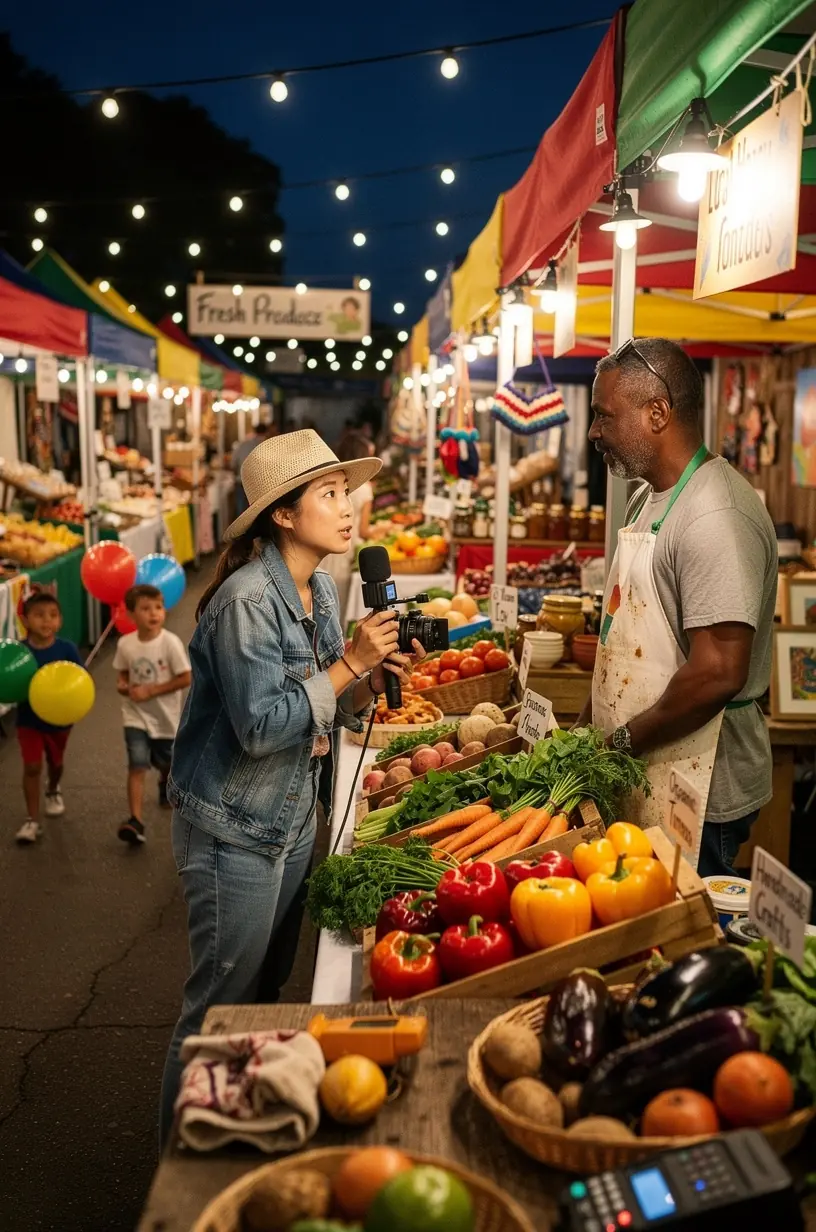
"Creating safe spaces is not just about physical locations; it's about cultivating an atmosphere where everyone feels valued and empowered to share their stories."
The Importance of Inclusivity
Research indicates that inclusive environments significantly enhance community engagement. For instance, a study by the American Psychological Association suggests that individuals who feel accepted are more likely to participate in community activities and advocate for social change. This underscores the necessity of fostering spaces where diverse voices can contribute to collective narratives.
Challenges Faced by Vulnerable Populations
While the need for safe spaces is clear, numerous challenges persist. Vulnerable populations, such as the LGBTQ+ community, immigrants, and people of color, often face systemic barriers that inhibit their ability to access these environments. Factors such as socioeconomic status, language barriers, and cultural stigmas can further complicate their experiences.
Practical Approaches to Creating Safe Spaces
Developing effective safe spaces requires careful planning and a commitment to inclusivity. Here are some actionable steps that can help:
- Engage the Community: Involve community members in discussions about their needs and expectations. This collaborative approach ensures that the created spaces genuinely reflect the voices of those they aim to serve.
- Establish Clear Guidelines: Create a set of guidelines that promote respectful communication and outline acceptable behavior within the space. This can help facilitate productive interactions and establish trust among participants.
- Provide Resources: Ensure that resources are available for individuals seeking support or guidance. This may include access to mental health services, educational materials, or connections to advocacy organizations.
Evaluating the Impact
To ensure the effectiveness of safe spaces, ongoing evaluation is essential. Feedback from participants can provide valuable insights into what is working and what needs improvement. Industry experts recommend implementing surveys or focus groups periodically to assess the level of comfort and engagement among community members.
Conclusion
Creating safe spaces for vulnerable voices is a vital step toward building a more inclusive community. By understanding the challenges faced by marginalized groups and implementing practical solutions, communities can foster environments where all individuals feel empowered to share their experiences. While establishing these spaces may require time and dedication, the positive impact on community cohesion and resilience can be profound.