Building Resilience with Local Storytelling Techniques
Storytelling has been a fundamental part of human culture, serving as a method for sharing experiences and passing down knowledge. In communities across the US, local storytelling techniques can significantly contribute to building resilience in the face of challenges. This article explores how storytelling can foster community cohesion, encourage problem-solving, and offer emotional support.
The Power of Storytelling in Communities
Research indicates that storytelling can create a sense of belonging and connectedness among community members. According to a study published in the Journal of Community Psychology, narratives shared within neighborhoods often lead to enhanced social ties and increased collective efficacy. This is because stories provide a common ground for individuals to relate to one another, making them feel less isolated in their challenges.
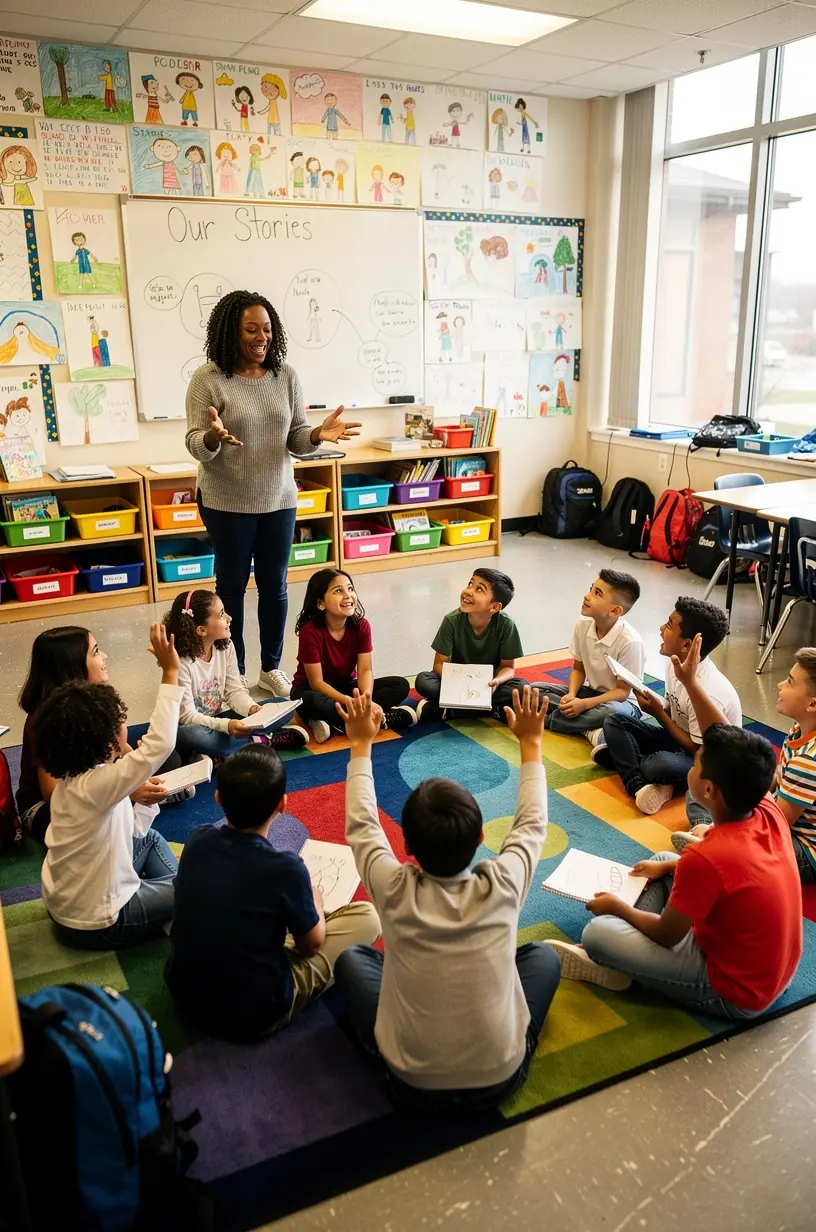
"Narratives have the power to transform how we see ourselves and our communities, enabling us to take collective action and create meaningful change."
How Storytelling Builds Resilience
Storytelling techniques can build resilience in several ways:
- Fostering Empathy: Sharing personal experiences encourages empathy among listeners, helping them relate to diverse perspectives and challenges.
- Encouraging Reflection: Reflecting on shared stories can help individuals process their experiences and understand their emotional responses, a practice recommended by mental health professionals.
- Promoting Problem-Solving: Communities that share stories of overcoming obstacles often inspire others to find solutions to their own problems, as narratives serve as examples of resilience.
Implementing Storytelling Practices
To effectively harness the power of storytelling, communities can consider the following practices:
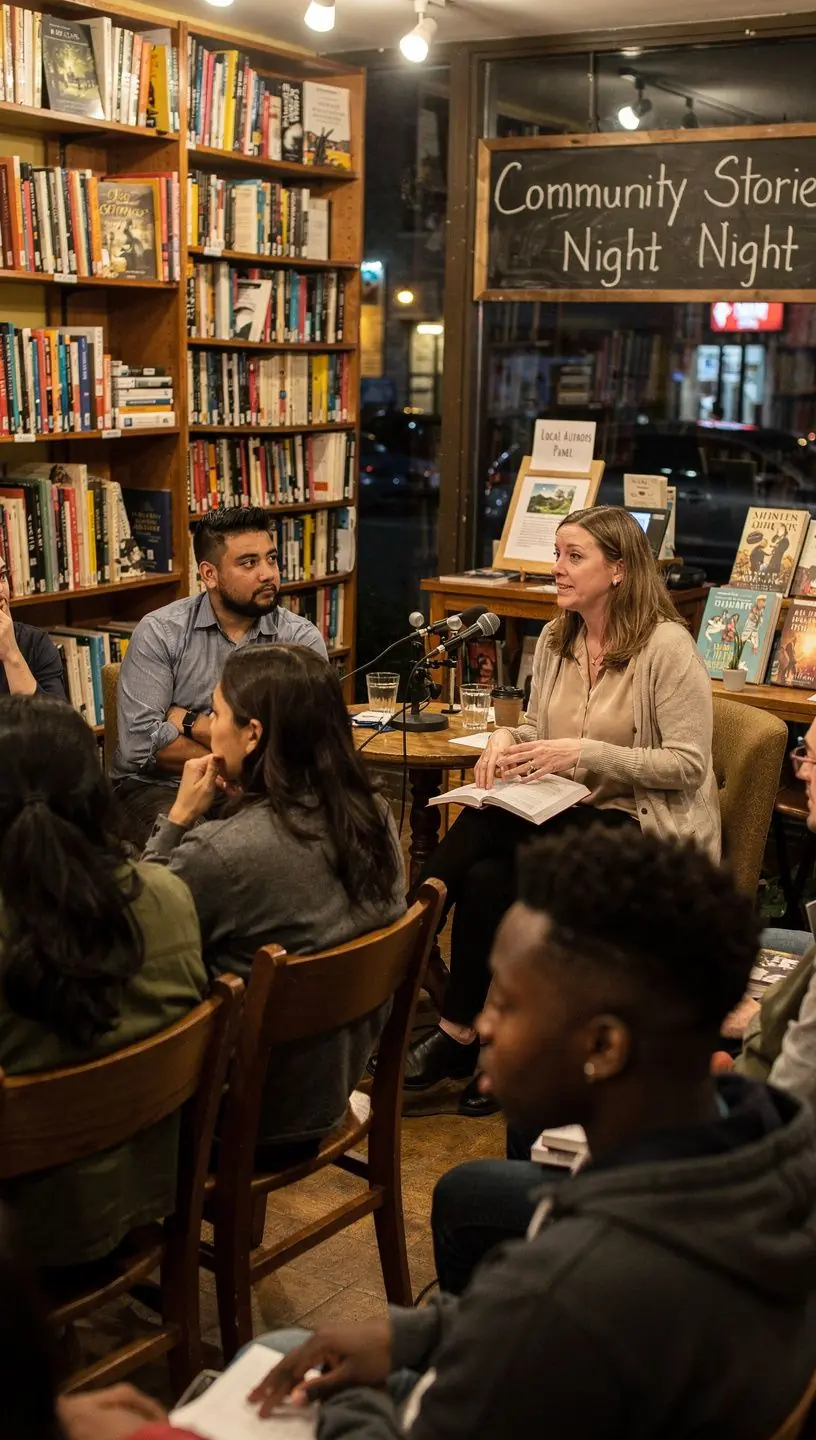
- Host Story Circles: Gather community members in a safe and welcoming space where individuals can share their stories. These circles should aim to create an inclusive environment where everyone feels valued.
- Utilize Digital Platforms: In today’s digital age, sharing stories online can reach a broader audience. Many communities have found success in using social media to highlight personal narratives, fostering connection beyond physical boundaries.
- Support Local Storytellers: Encourage local artists and storytellers to share their narratives through various mediums, including spoken word, theater, and written forms. This can revitalize cultural expressions within the community.
The Challenges and Considerations
While storytelling is a powerful tool, it is essential to acknowledge some challenges. For example, not all individuals may feel comfortable sharing their stories, especially if they pertain to sensitive subjects. Creating a supportive atmosphere is crucial, and this may involve training facilitators to guide discussions effectively.
Conclusion
Building resilience through local storytelling techniques is an effective approach that fosters community bonds and encourages collective problem-solving. By creating spaces for sharing narratives, communities can empower individuals to reflect, connect, and act. While the journey may require time and effort, the rewards of stronger, more resilient communities are invaluable.