Collecting Oral Histories: A Practical Guide
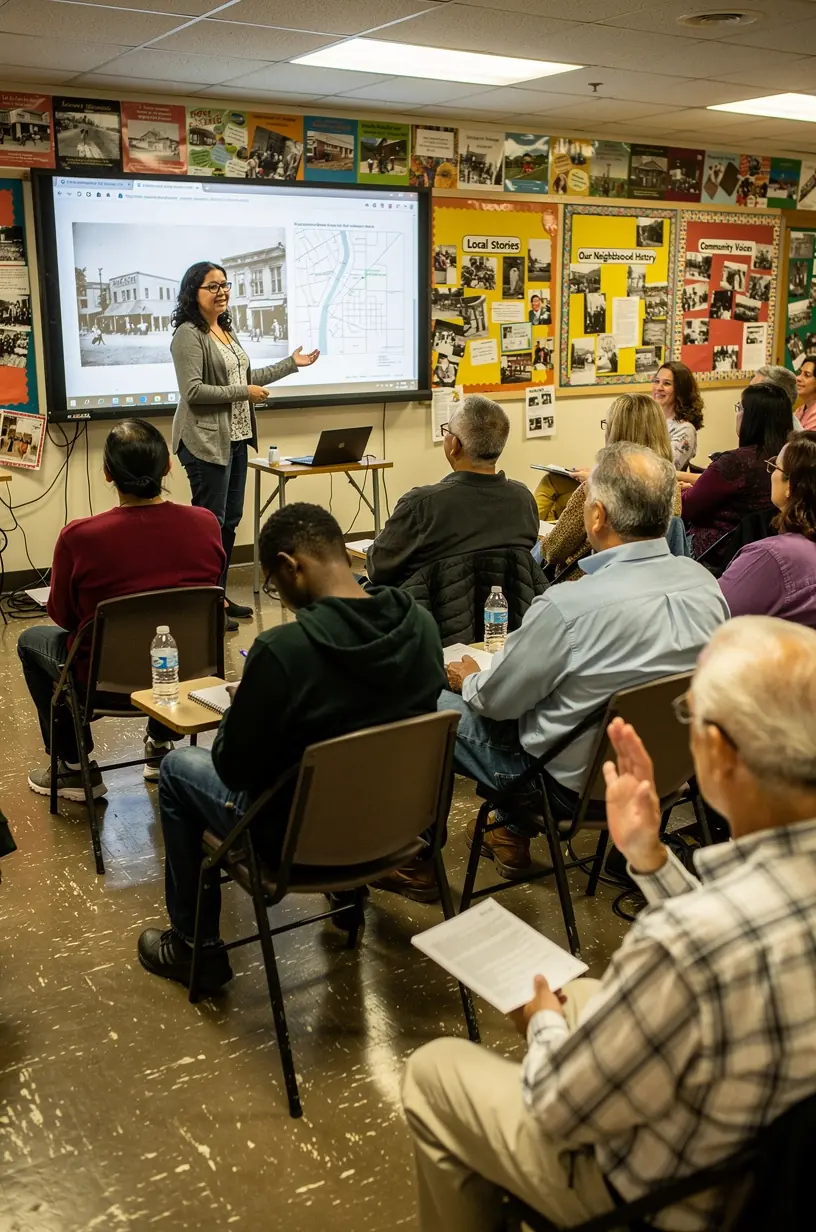
Oral histories are invaluable resources that can shed light on local experiences, challenges, and solutions within communities. This guide provides actionable insights into effectively collecting oral histories, ensuring that vital stories are preserved for future generations.
Understanding the Importance of Oral Histories
Oral histories serve as a bridge between generations, capturing the lived experiences of individuals that might not be documented elsewhere. According to experts in anthropology, these narratives are essential for understanding cultural heritage and community identity.
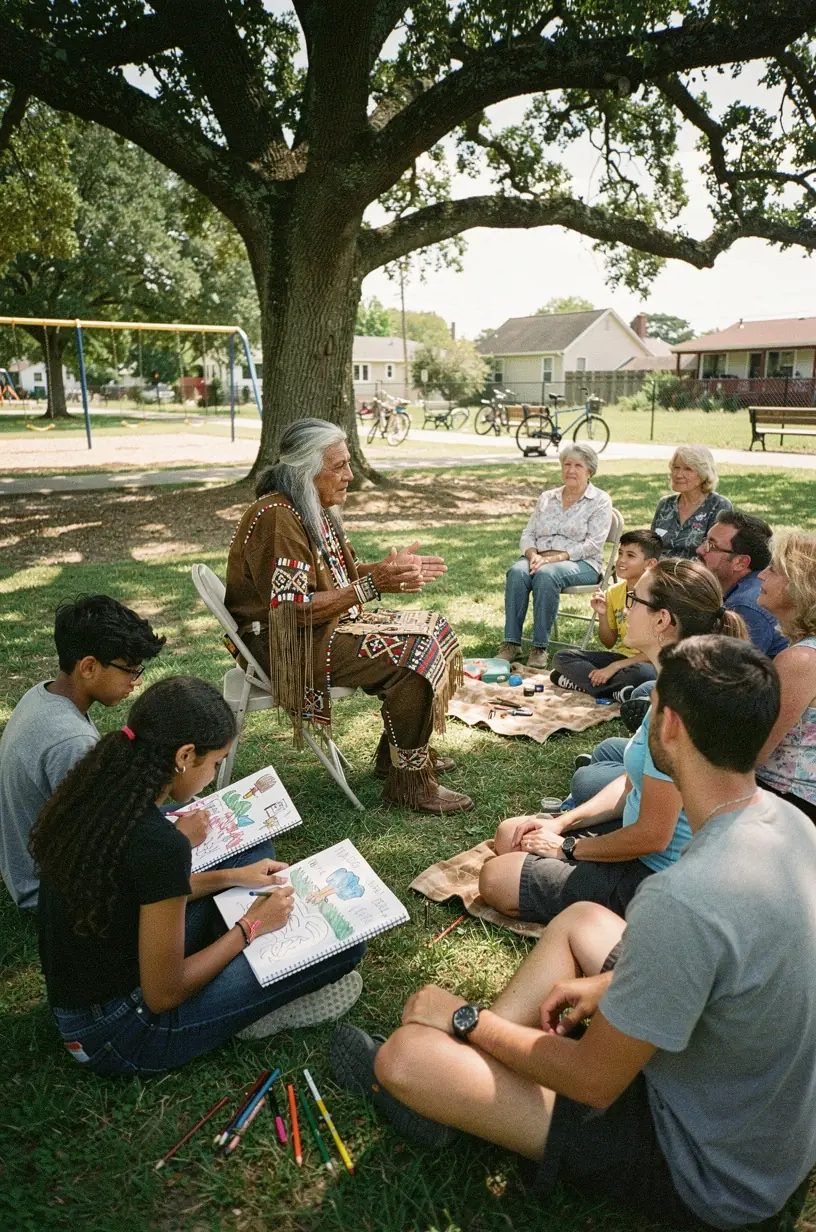
"Oral histories offer insights that written records often overlook, providing a richer tapestry of our past." - Dr. Sarah Jenkins, Oral Historian
Preparing for the Interview
Before diving into interviews, it’s crucial to prepare adequately. Here are some steps to consider:
- Research the Subject: Familiarize yourself with the individual’s background to formulate relevant questions.
- Create an Interview Guide: Develop a list of open-ended questions that encourage detailed responses. Experts recommend focusing on significant life events or experiences that shaped the individual's perspective.
- Choose the Right Environment: Select a quiet, comfortable location that facilitates conversation. This can help put the interviewee at ease, leading to more meaningful dialogue.
Conducting the Interview
During the interview, consider the following tips to enhance the quality of the oral history:
- Establish Rapport: Begin the session with casual conversation to build trust. This sets a positive tone for the interview.
- Listen Actively: Pay close attention to the interviewee's responses, allowing them to expand on topics they find significant. Oftentimes, the most compelling stories emerge from follow-up questions based on their answers.
- Record the Conversation: Utilize audio or video recording devices to capture details accurately. According to best practices in the field, having a record allows for precise transcription and analysis later.
Post-Interview Considerations
After the interview, there are essential steps to take:
- Transcribe the Recording: Transcribing the conversation can be time-consuming but is necessary for preserving the history accurately. Many professionals recommend doing this within a week of the interview to retain the context.
- Follow Up: Consider sending a thank-you note to the interviewee, along with a summary or key points from your discussion. This not only shows appreciation but also reinforces the value of their contribution.
- Share the Story: Consider avenues for sharing the oral history with the community, whether through local events, publications, or digital platforms. Sharing these narratives can foster greater understanding and connection among community members.
Conclusion
Collecting oral histories is a rewarding endeavor that requires thoughtful preparation and genuine engagement. By following these practical guidelines and acknowledging the effort involved, you can successfully capture and preserve the unique stories of your community. This process not only aids in documentation but also enhances community bonds and cultural understanding.