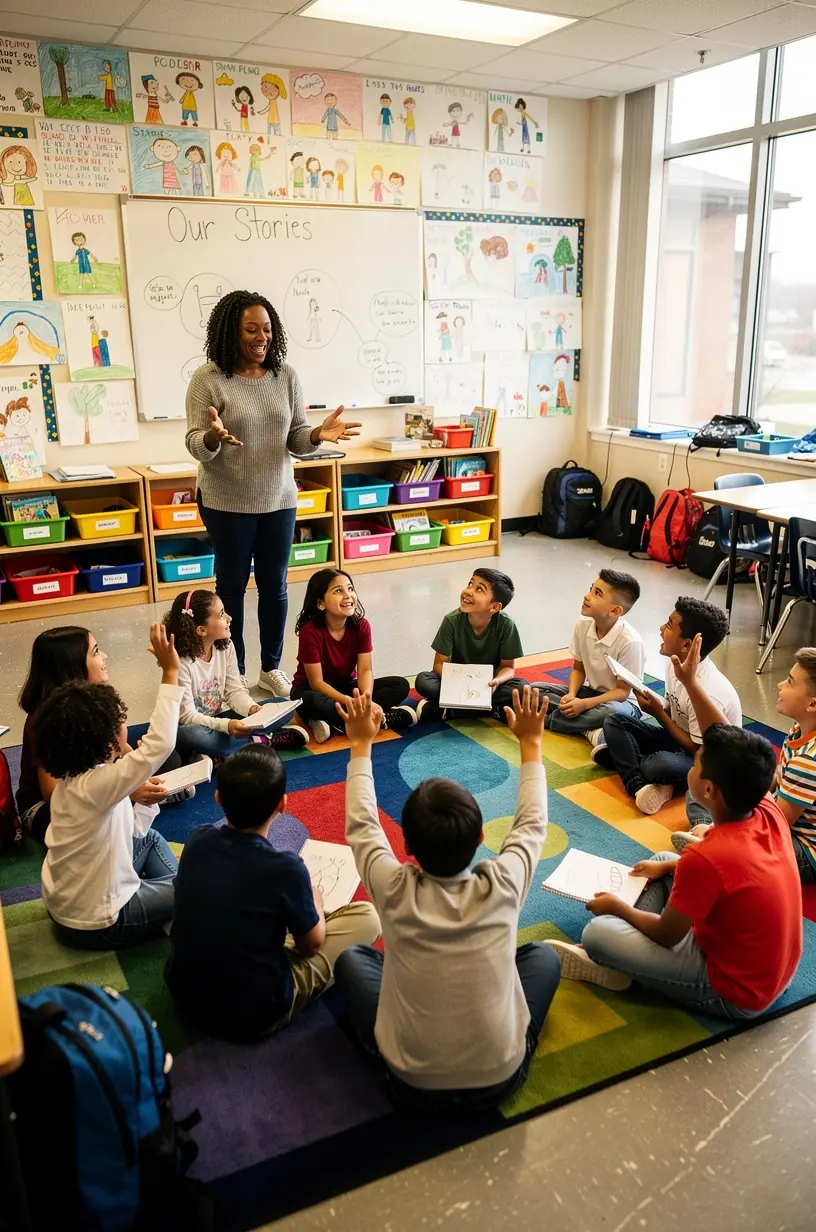
Navigating Community Challenges Through Storytelling
Storytelling serves as a powerful tool for communities facing various challenges. By sharing local experiences, residents can connect, inspire change, and seek effective solutions together.
Understanding the Role of Storytelling
Storytelling has long been an integral part of human communication, helping to foster connections and share knowledge. According to research, communities that engage in storytelling often report a stronger sense of belonging and collective identity. This is crucial for addressing local issues, as shared narratives can highlight common challenges and pave the way for collaborative problem-solving.
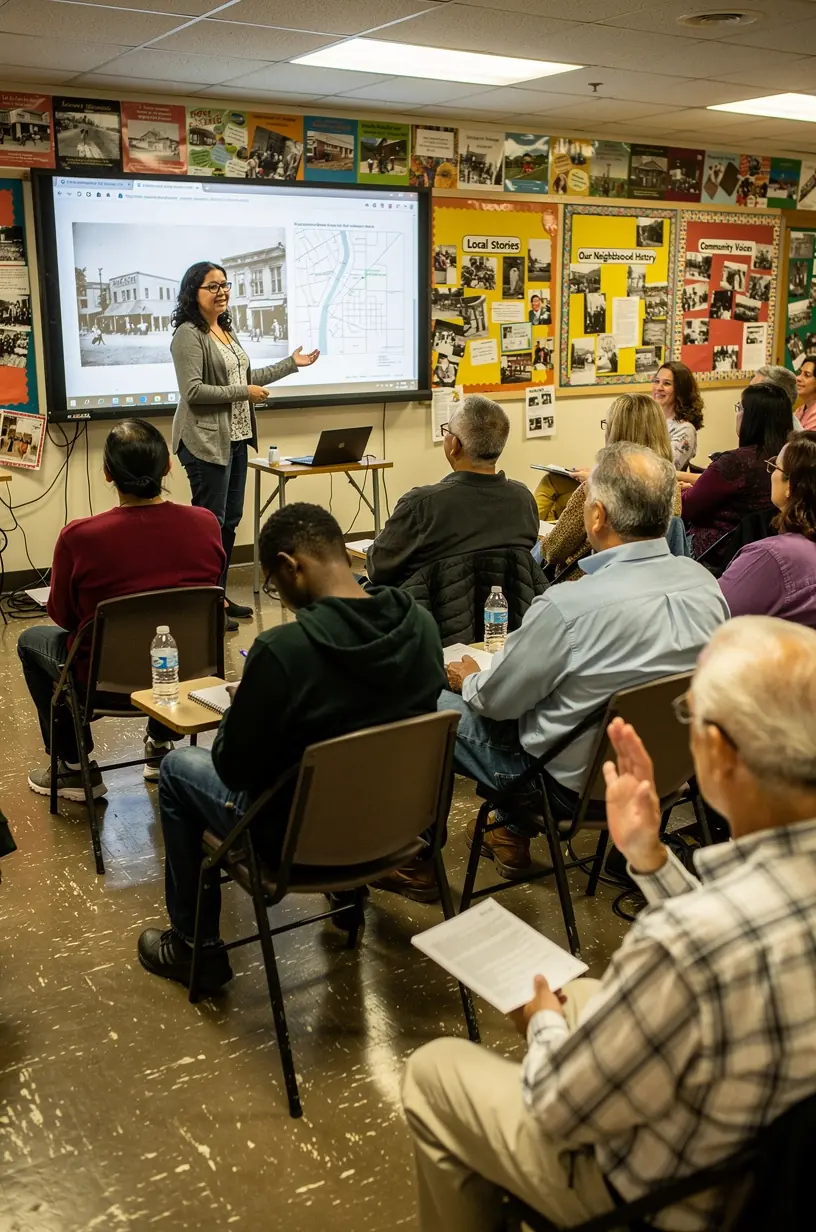
"Storytelling is not just an art; it's a bridge that connects people and ideas." - Community Advocate
How Storytelling Can Address Local Challenges
There are several ways in which storytelling can effectively tackle community challenges:
- Building Empathy: By sharing personal stories, individuals can foster understanding and empathy among community members. Studies indicate that narratives can significantly influence perceptions and attitudes, leading to a more united community.
- Encouraging Participation: Engaging in storytelling allows residents to express their concerns and aspirations. When people feel heard, they are more likely to participate in community initiatives and discussions.
- Identifying Solutions: Listening to diverse experiences can uncover innovative solutions to common problems. As experts recommend, a collective approach often leads to more comprehensive and sustainable outcomes.
Implementing Storytelling in the Community
While the benefits of storytelling are clear, implementing it effectively within a community may require some effort. Here are practical steps to consider:
- Create safe spaces for sharing: Establish venues where individuals feel comfortable sharing their experiences. This could be in the form of community gatherings or online platforms. Research shows that creating a supportive environment encourages more people to participate.
- Encourage diverse voices: Ensure that storytelling opportunities are inclusive, allowing individuals from various backgrounds to share their narratives. This enriches the community’s collective understanding and fosters a sense of belonging.
- Facilitate storytelling events: Organize events that promote storytelling, such as open mic nights or storytelling circles. These events can be designed to address specific community issues, providing a focused approach to sharing and problem-solving.
Conclusion
Storytelling serves as a vital tool for communities striving to navigate challenges. By promoting empathy, encouraging participation, and identifying solutions through shared narratives, residents can enhance local experiences and foster resilience. As communities face unique obstacles, leveraging the power of storytelling may provide not just a voice, but also a path forward.