The Role of Storytelling in Community Building
Storytelling has long been a fundamental aspect of human culture, serving not just as a means of entertainment, but as a powerful tool for community building. In local contexts across the United States, storytelling can foster connections, address challenges, and inspire collective solutions.
Understanding the Basics of Storytelling
Storytelling is an age-old tradition that allows individuals to share experiences and convey values. According to research conducted by the National Storytelling Network, communities that engage in storytelling activities often report enhanced social cohesion and stronger relationships among residents. This works because storytelling creates an emotional connection between individuals, fostering empathy and understanding.
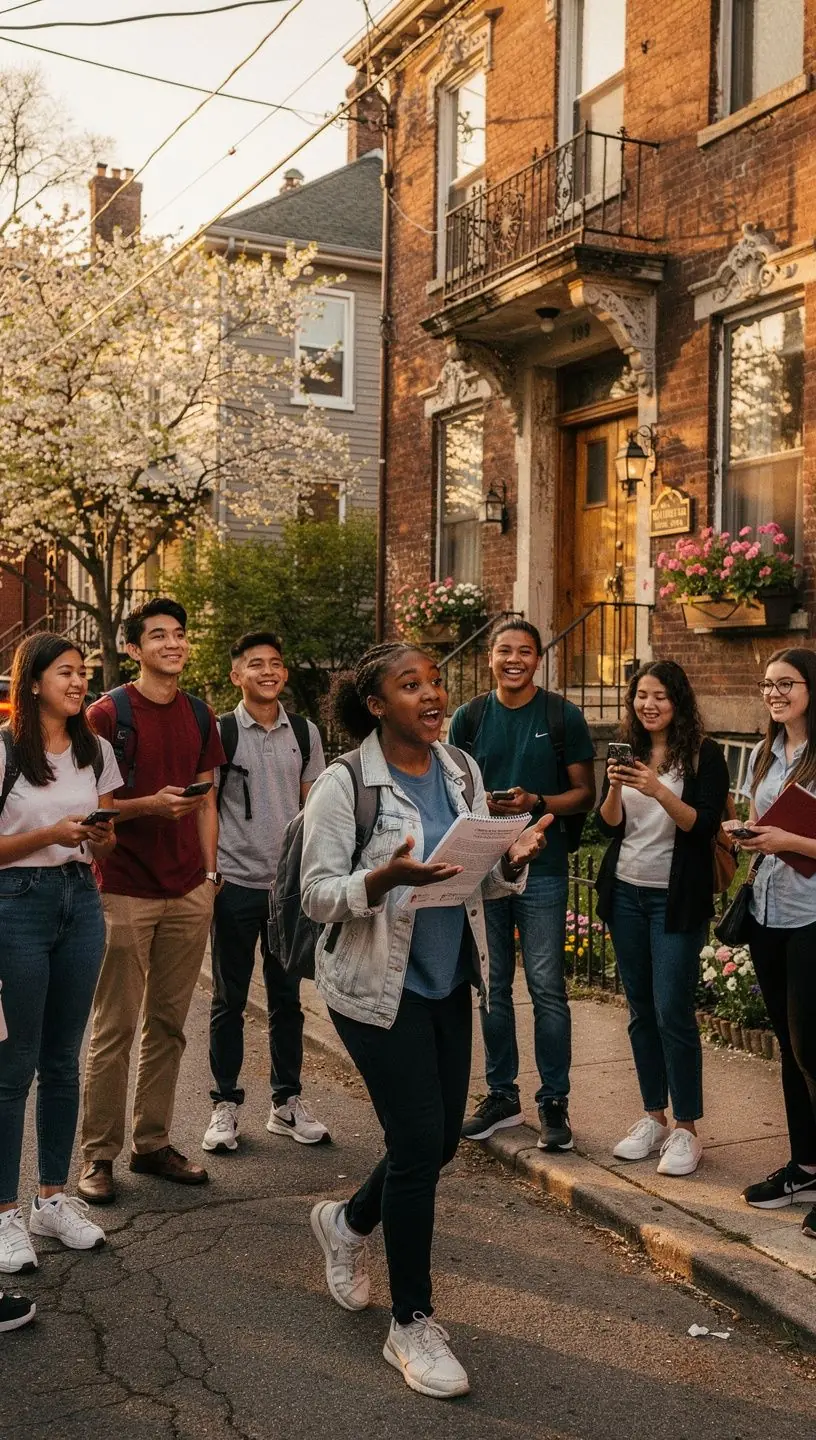
"Storytelling is the thread that weaves the fabric of community, providing a shared sense of identity and purpose." - National Storytelling Network
The Impact of Shared Narratives
When community members share their stories, it not only highlights individual experiences but also reflects broader social issues. This collective narrative can serve as a catalyst for change, bringing attention to local challenges. Studies show that storytelling can effectively mobilize community members towards common goals, as they often feel a deeper connection to the cause when they hear relatable accounts.
Examples of Storytelling in Action
- Community forums that encourage residents to share personal experiences related to local issues.
- Neighborhood newsletters that include storytelling sections, showcasing local heroes or addressing community challenges.
- Online platforms where residents can post their stories, creating a digital archive of local experiences.
Practical Application of Storytelling Techniques
Implementing storytelling as a community-building strategy involves several steps:
- Create a Safe Environment: Encourage open sharing by fostering a safe and welcoming atmosphere where individuals feel comfortable expressing themselves.
- Promote Inclusivity: Ensure that all voices are heard, particularly those from marginalized groups. This may require dedicated efforts to reach out and engage those who might otherwise remain silent.
- Utilize Various Mediums: Different formats, such as written stories, videos, or live events, can resonate differently with community members. Tailoring the medium to the audience can enhance engagement.
Challenges and Considerations
While storytelling can be highly effective, it is important to acknowledge certain challenges. Effective storytelling typically requires a commitment of time and effort. Community members may need guidance to craft their narratives, and not all individuals may feel comfortable sharing their stories publicly. Creating a structured approach that respects individual boundaries while encouraging participation is crucial.
Conclusion
Storytelling is a valuable asset in community building, fostering connections and addressing local challenges through shared narratives. By creating an inclusive space for storytelling, communities can harness the collective power of their individual experiences. While it may require time and effort to cultivate this practice, the potential benefits—such as improved social cohesion and community resilience—can be significant. Ultimately, embracing storytelling as a tool for community engagement can lead to a more connected and empowered populace.