How Local Experiences Shape Community Identity
Understanding the unique tapestry of local experiences can significantly influence the identity of communities across the United States. This article delves into how shared challenges and solutions contribute to a strong community identity.
Understanding the Basics of Community Identity
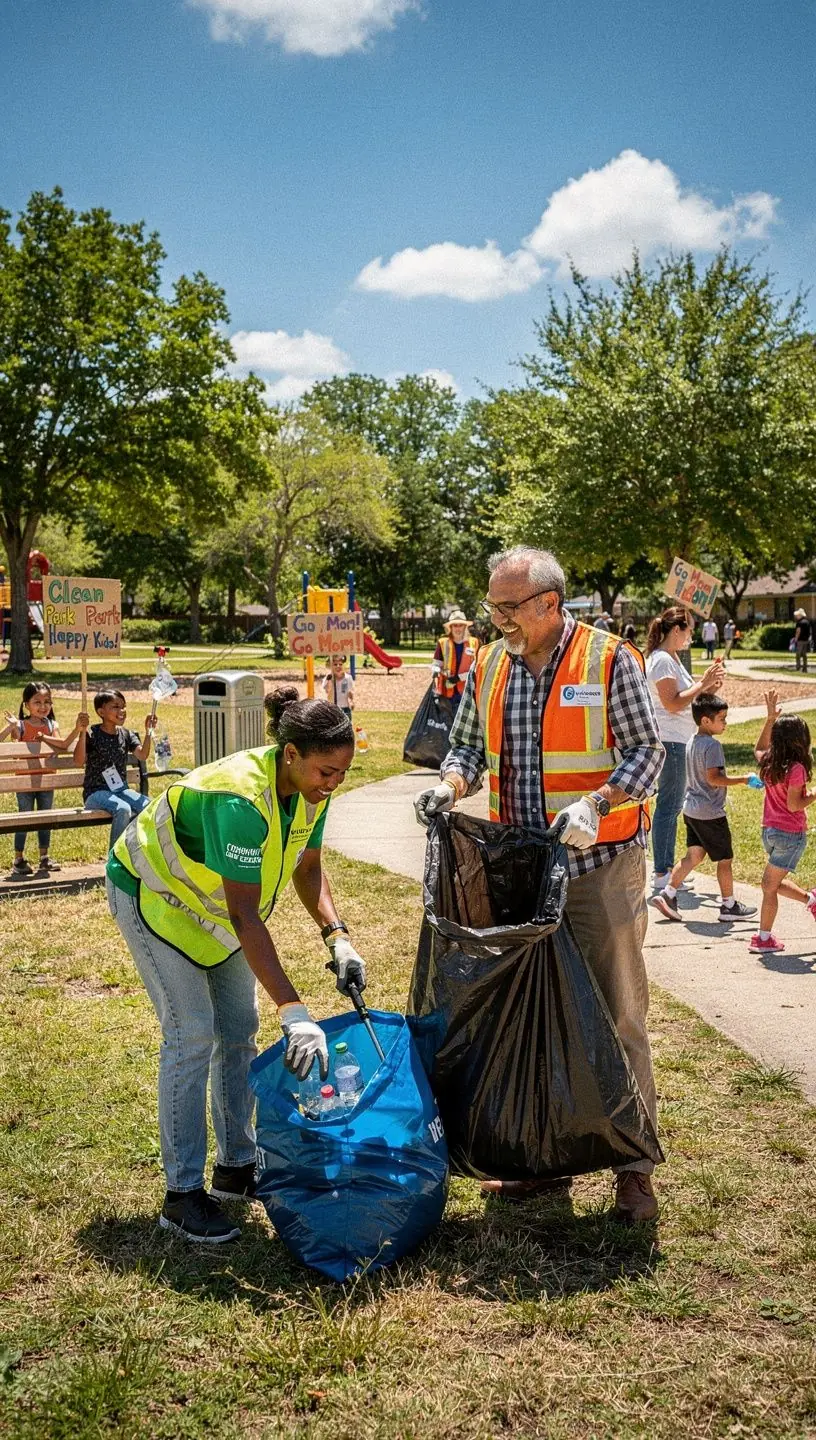
Community identity often forms through a combination of shared history, values, and experiences. According to research conducted by the American Psychological Association, individuals who engage actively with their community report a stronger sense of belonging and identity. This engagement typically manifests through local events, volunteer work, and dialogue surrounding communal challenges.
"Communities thrive when individuals share their experiences and work collaboratively towards common goals." - Community Development Expert
The Role of Local Experiences
Local experiences can serve as a powerful catalyst for community identity. Here are some key aspects of how these experiences shape identity:
- Shared Challenges: Communities often bond over difficulties such as economic downturns or natural disasters. For example, after Hurricane Katrina, many communities in New Orleans came together not only to rebuild but also to redefine their identity through resilience and solidarity.
- Cultural Events: Celebrations such as local festivals or fairs can enhance community pride. Research indicates that participating in cultural events can significantly boost community cohesion and collective identity.
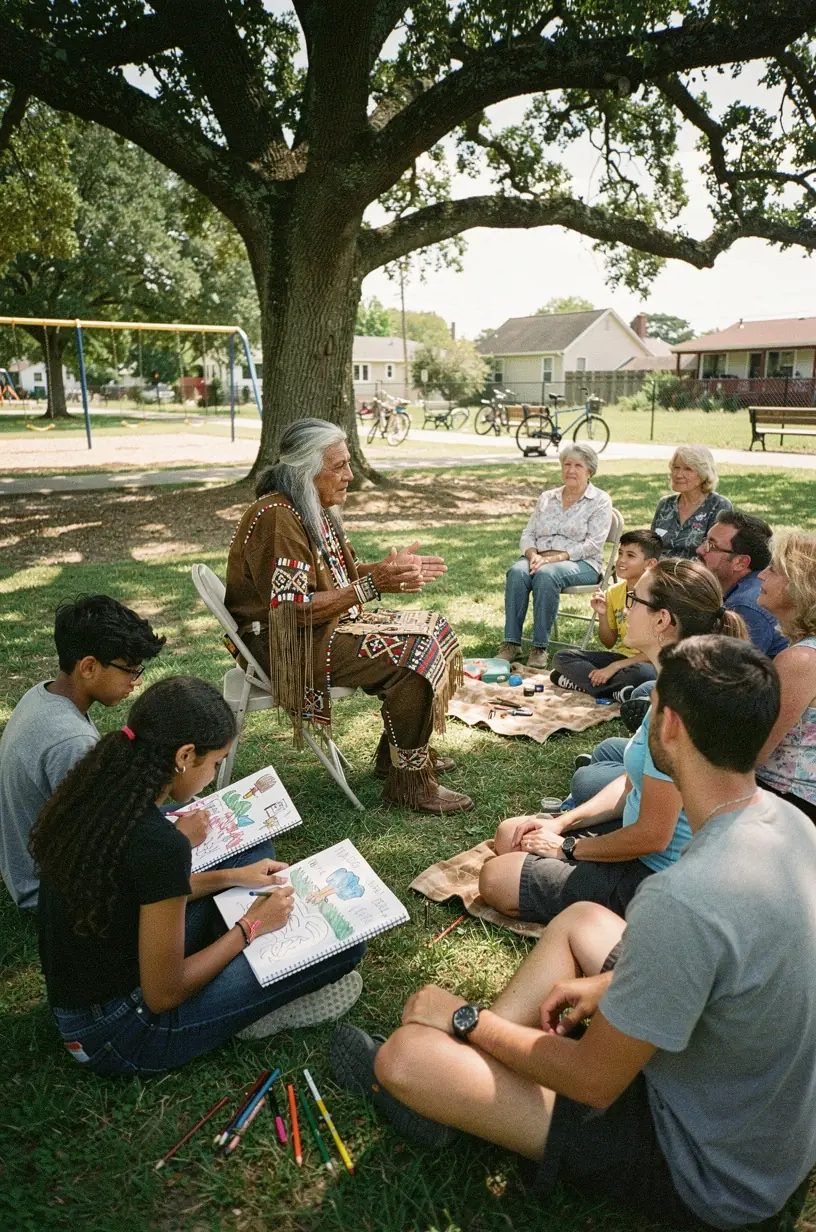
- Storytelling: Individuals sharing their personal stories fosters understanding and empathy among community members. Experts recommend that these narratives be recorded and shared to preserve local history and culture.
Building a Stronger Community through Local Identity
To effectively shape community identity, it is essential to acknowledge the limitations and challenges. For example, creating inclusive events may require significant planning and volunteer support. The process often takes time, typically involving several months of preparation to ensure broad community participation.
Moreover, leveraging local experiences to enhance community identity involves:
- Encouraging Participation: Community leaders should motivate members to engage actively in discussions and events. Studies show that active participation can lead to a deeper connection to the community.
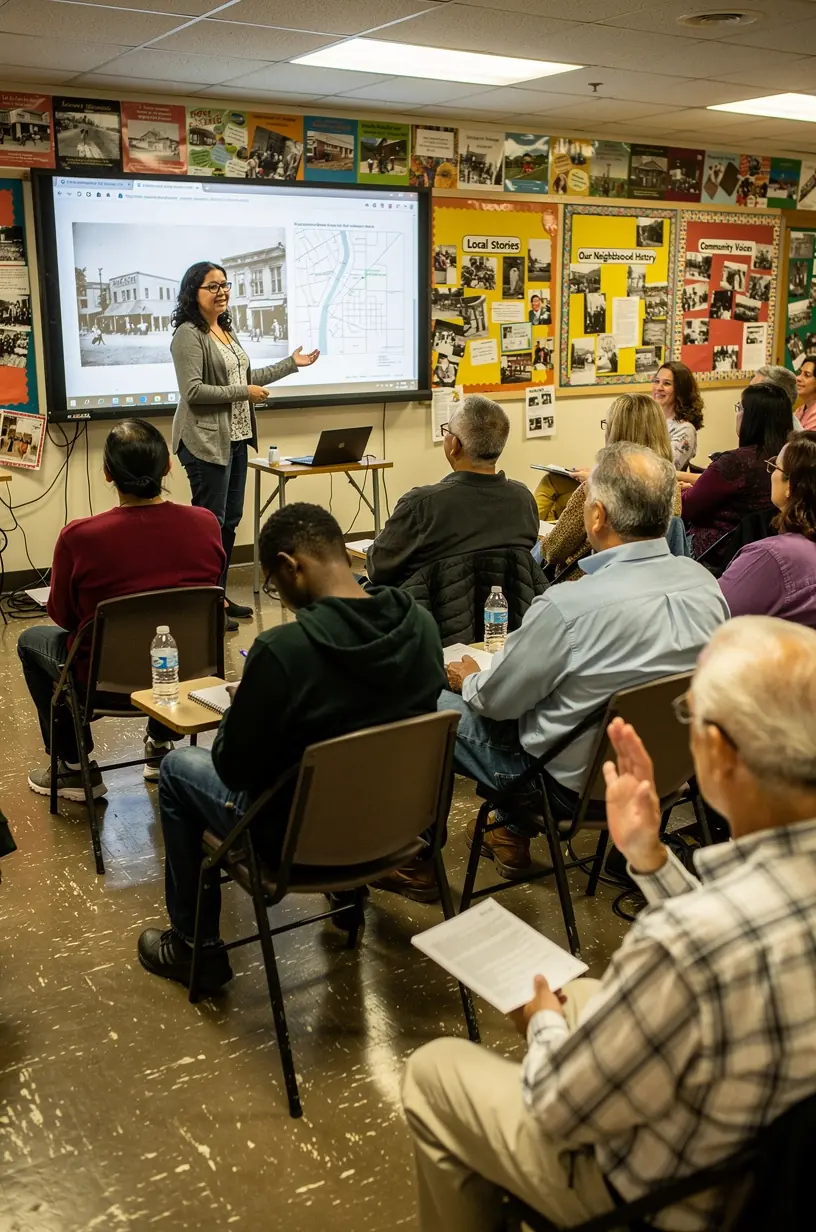
- Documenting Experiences: Keeping records of community stories can help future generations understand their roots. This not only fosters pride but also creates a sense of belonging.
- Fostering Communication: Creating open channels for dialogue can help communities navigate conflicts and celebrate achievements. Regular meetings can be effective in keeping everyone informed and engaged.
Conclusion
In conclusion, local experiences are instrumental in shaping community identity. By fostering shared challenges, cultural events, and storytelling, communities can develop a strong, inclusive identity. While the process requires time and effort, the resulting sense of belonging and pride can profoundly impact the community's future, ensuring that it remains vibrant and resilient.