Documenting Cultural Heritage in Neighborhoods
Cultural heritage is an essential aspect of community identity, reflecting the unique history and traditions of neighborhoods across the United States. Documenting these cultural elements not only preserves history but also fosters community engagement and pride. This article explores how local experiences can be captured and shared, enriching the understanding of cultural heritage.
Understanding Cultural Heritage
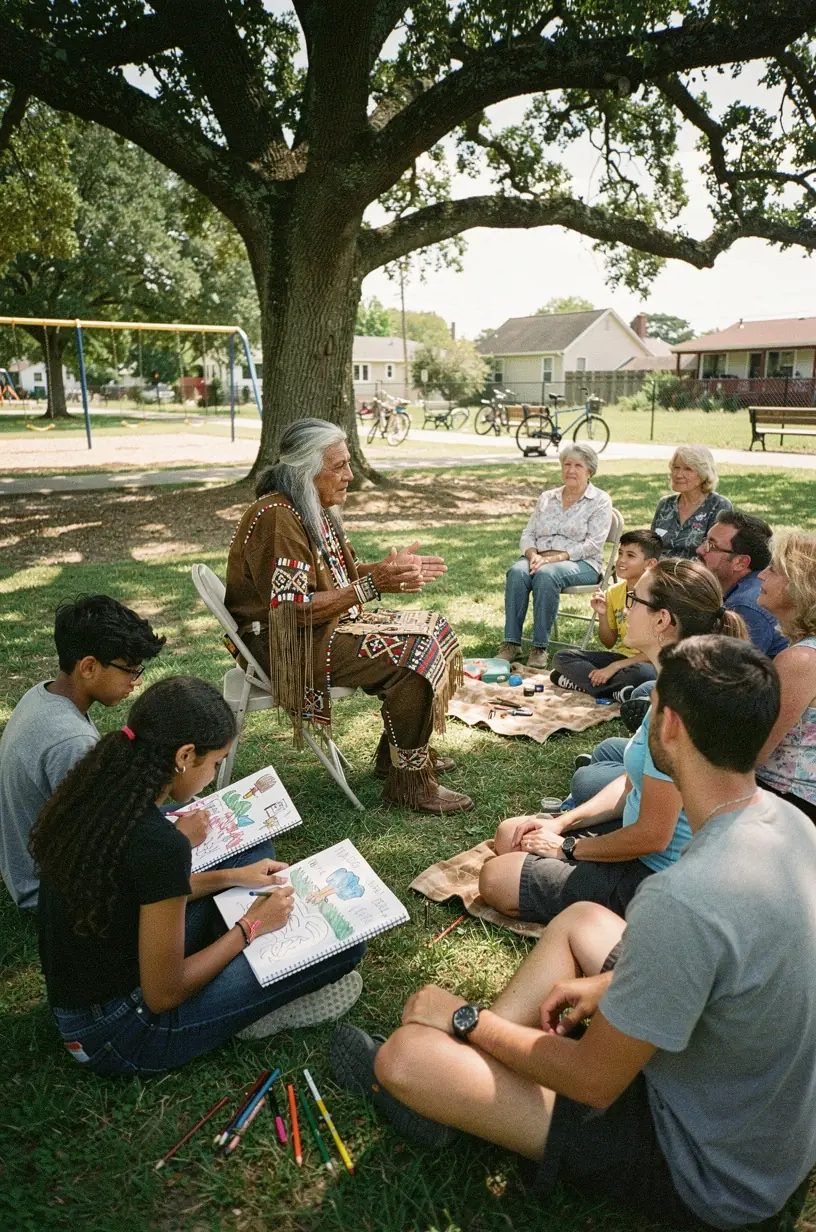
Cultural heritage encompasses the traditions, customs, languages, and artifacts that define a community. According to experts, engaging with cultural heritage can enhance community cohesion and promote social well-being. In many cases, neighborhoods possess rich stories waiting to be told, yet may lack the means to document and share them effectively.
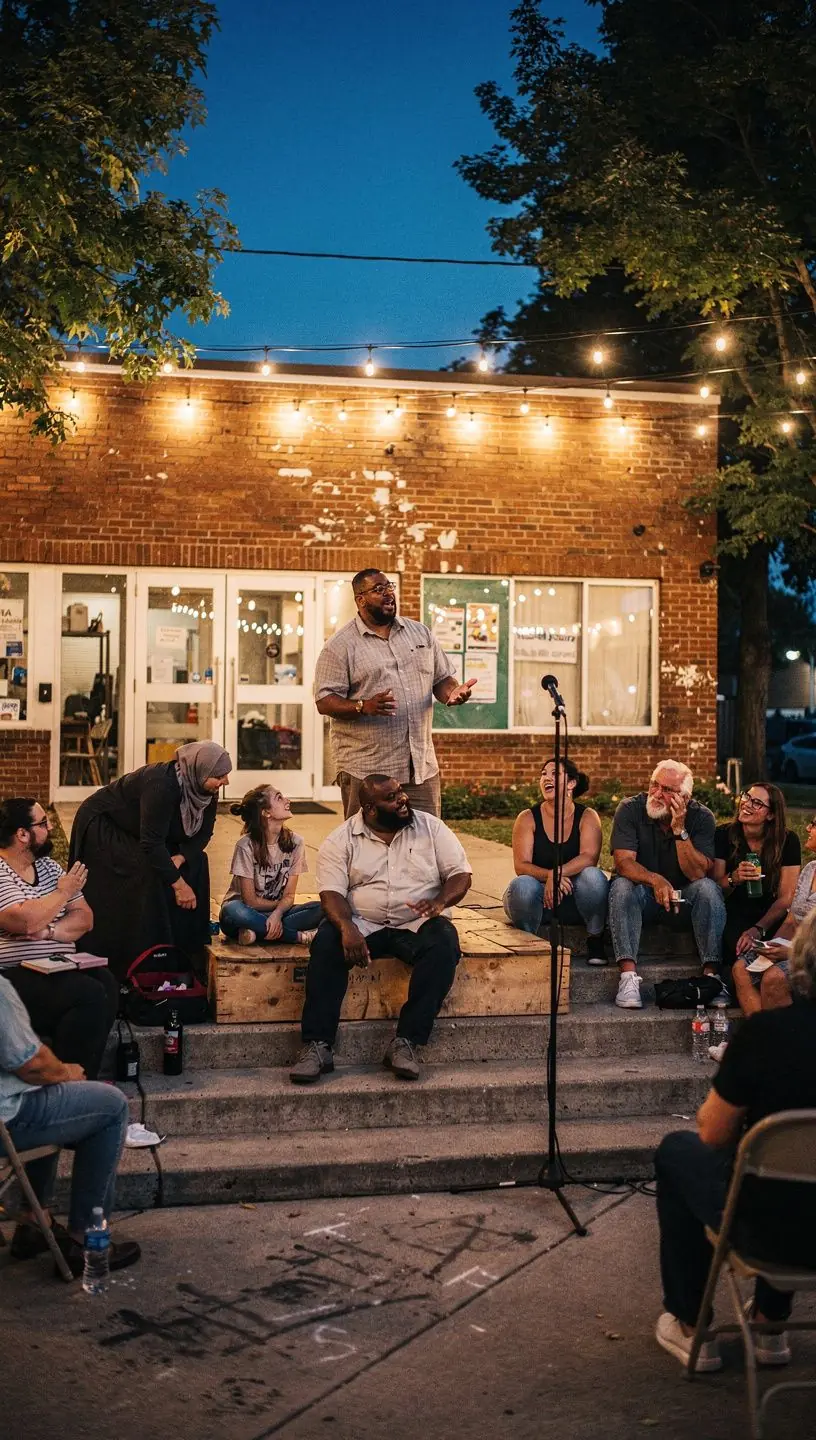
"Preserving cultural heritage is vital for maintaining the identity and continuity of communities." - Cultural Heritage Expert
Methods for Documenting Local Culture
There are various effective methods to document cultural heritage in neighborhoods. Here are some practical approaches:
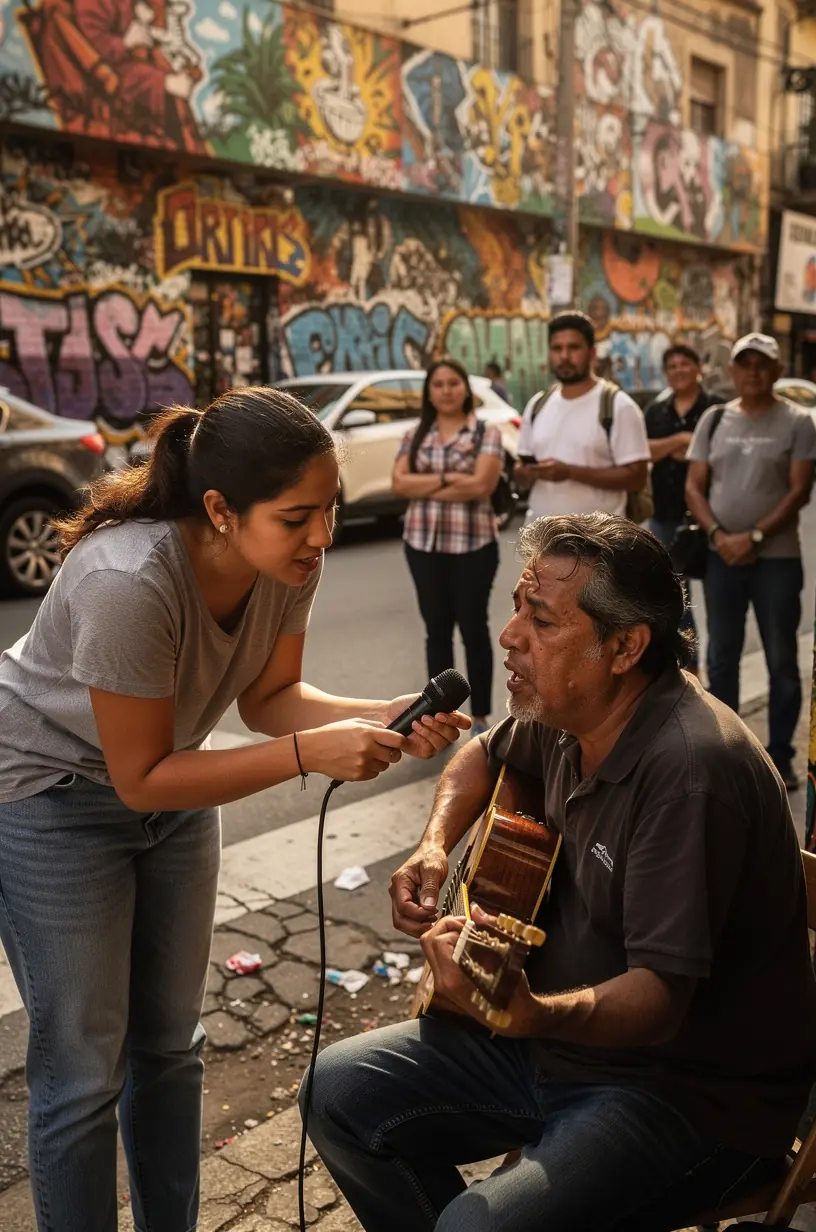
- Oral Histories: Recording interviews with long-term residents can capture personal stories and community transformations. Studies show that oral history projects can significantly contribute to local heritage preservation.
- Photography Projects: Engaging community members in documenting their daily lives through photography can create visual archives of cultural practices. Researchers indicate that visual storytelling enhances the emotional connection to heritage.
- Local Archives: Establishing local archives, either digitally or physically, allows communities to collect documents, artifacts, and media that represent their culture. This method often requires collaboration with local historians and cultural organizations.
Challenges in Documentation
While documenting cultural heritage is important, challenges can arise. These include:
- Resource Limitations: Many neighborhoods may lack the financial or technical resources to start documentation projects. Identifying funding opportunities through grants can be beneficial.
- Community Engagement: Gaining participation can be challenging, especially in areas with diverse populations. It’s crucial to approach community members with respect and sensitivity to their histories and experiences.
- Preservation of Authenticity: Ensuring that the voices and perspectives represented in documentation are authentic and not overshadowed by dominant narratives is essential for true representation.
Conclusion
Documenting cultural heritage is a valuable endeavor for neighborhoods looking to preserve their unique identities and histories. By employing methods such as oral histories, photography, and establishing local archives, communities can share their stories effectively. It’s important to acknowledge the challenges involved and to approach documentation with a commitment to authenticity and inclusivity. Ultimately, the preservation of local culture can foster pride and strengthen community bonds, ensuring that these narratives are celebrated for generations to come.