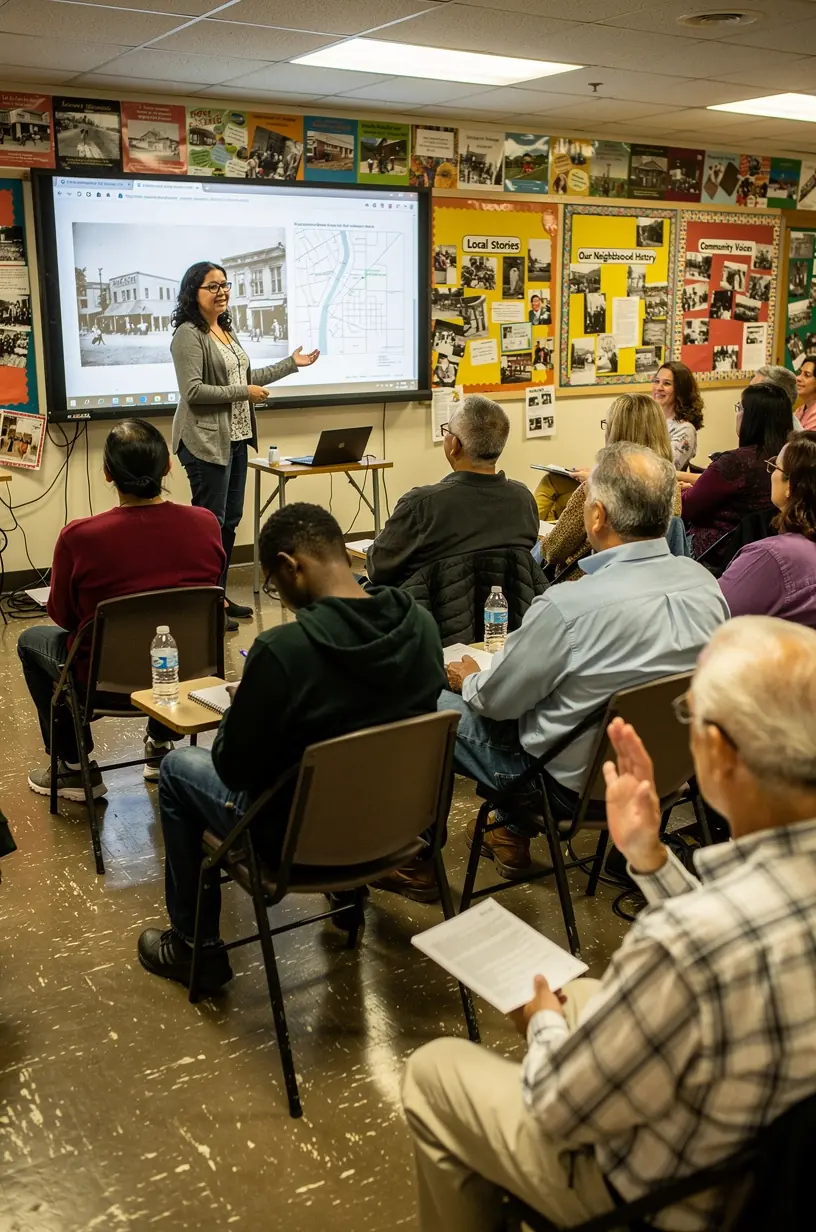
Understanding the Impact of Shared Narratives
Shared narratives play a crucial role in shaping community identities and fostering connections among individuals. This article explores how these stories influence local experiences, address challenges, and facilitate solutions within communities across the United States.
The Significance of Shared Narratives
Shared narratives are more than just stories; they encapsulate the collective experiences, struggles, and triumphs of a community. According to research, communities that engage in storytelling often experience stronger social bonds and increased cohesion. Experts suggest that this is because shared narratives help individuals find common ground, fostering empathy and understanding.

"Storytelling is the most powerful way to put ideas into the world today." – Robert McKee
The Mechanism Behind Shared Stories
The impact of shared narratives can be explained through several mechanisms:
- Building Identity: Stories often define a community's identity. When members share experiences, they collectively construct a narrative that reflects their values, challenges, and aspirations.
- Encouraging Participation: When individuals hear stories that resonate with their experiences, they are more likely to engage. This participation can be crucial in community projects, where personal investment often leads to better outcomes.
- Facilitating Problem-Solving: Shared narratives can often highlight issues within a community. By discussing these challenges openly, residents can identify potential solutions and work collaboratively to address them.
Real-World Examples
Many communities across the United States have successfully harnessed the power of shared narratives:
- Community Health Initiatives: In various towns, residents have shared personal stories regarding healthcare access, which led to the development of tailored health programs addressing specific community needs.
- Cultural Preservation: In places with rich histories, storytelling has been used to preserve local culture and traditions, ensuring that future generations understand their heritage.
- Social Justice Movements: Narratives around social justice have often united individuals from diverse backgrounds to advocate for systemic change, illustrating the collective power of shared voices.
Acknowledging Limitations
While the benefits of shared narratives are substantial, it is essential to acknowledge their limitations. Creating a comprehensive community narrative typically requires consistent effort and commitment from its members. Many communities report that establishing a strong storytelling culture can take time, often involving a learning curve as individuals become more comfortable sharing their experiences.
Conclusion
Shared narratives serve as a powerful tool for enhancing community cohesion, addressing challenges, and fostering understanding among residents. By sharing stories, individuals contribute to a collective identity that can lead to meaningful change. As research continues to highlight the importance of these narratives, communities across the United States can look to storytelling as a means to build resilience, empathy, and collaboration.
Learn More