Exploring Local History Through Personal Narratives
Local history is often best understood through the stories of individuals who lived it. Personal narratives provide a unique lens to view the past, allowing us to connect with historical events on a deeper level. This article delves into how personal storytelling can illuminate local histories and the challenges and solutions faced by communities.
The Power of Personal Narratives
Personal narratives are compelling because they bring history to life. According to research conducted by the National Council for History Education, personal stories often resonate more with audiences than traditional historical accounts. These stories create emotional connections, making the past more relatable and engaging.
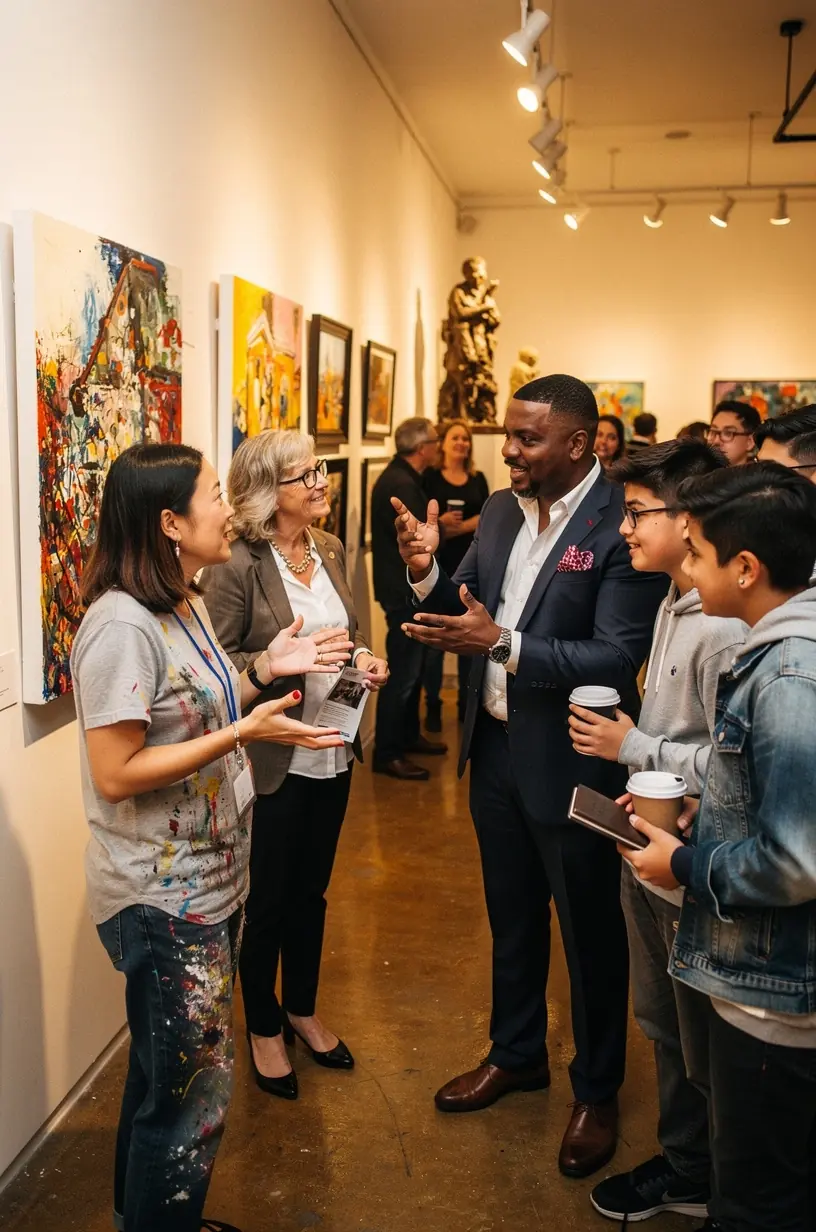
"Storytelling is the most powerful way to put ideas into the world today." - Robert McKee
Collecting Local Stories
Collecting personal narratives requires a thoughtful approach. Here are some effective methods to gather these invaluable stories:
- Interviews: Conducting interviews with local residents can yield rich, firsthand accounts of historical events. Many users report that face-to-face interactions lead to more detailed and nuanced stories.
- Community Events: Hosting events that encourage storytelling can foster a sense of community. These gatherings often bring out stories that may otherwise remain untold.
- Oral History Projects: Organizing structured oral history projects can help collect and archive local narratives systematically. This approach is often recommended by historians and local heritage organizations.
Understanding the Impact of Local Narratives
Exploring local history through personal narratives can address several challenges within communities:
- Preserving Cultural Heritage: Documenting personal stories can help preserve the cultural heritage of a community, ensuring that future generations understand their roots.
- Fostering Community Bonds: Sharing narratives often leads to stronger connections among community members, which can enhance social cohesion.
- Addressing Historical Injustices: Personal narratives can bring to light stories of marginalized groups, helping to address historical injustices and fostering a more inclusive understanding of history.
Challenges and Limitations
While collecting personal narratives is a rewarding endeavor, it does come with challenges. It typically requires significant time and effort to build trust with storytellers and to ensure their stories are accurately represented. Furthermore, the process may not be ideal if there is a lack of community interest or participation.
Conclusion
Exploring local history through personal narratives enriches our understanding of the past and fosters a sense of belonging within communities. By collecting and sharing these stories, individuals can help preserve their cultural heritage, strengthen community ties, and address historical challenges. It’s an effective approach that many communities are beginning to embrace, and it can contribute to a more vibrant, inclusive historical narrative.